

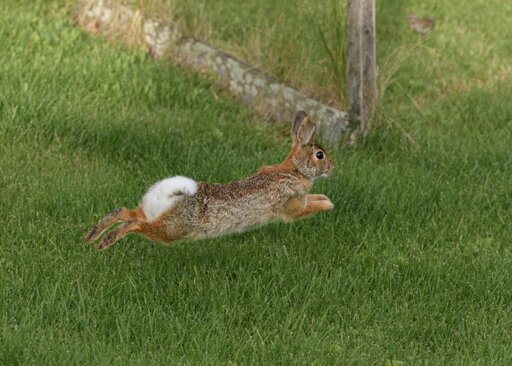
Predators are typically larger, faster, and more powerful than the animals they hunt. Yet in nature, most attacks fail. A new study published in the Proceedings of the National Academy of Sciences, by researchers from the University of Amsterdam Institute for Biodiversity and Ecosystem Dynamics (IBED), asks: why do prey get away so often? The key, the researchers found, lies in something the original model overlooked: reaction times.
From Biology News - Evolution, Cell theory, Gene theory, Microbiology, Biotechnology via This RSS Feed.
You must log in or # to comment.