

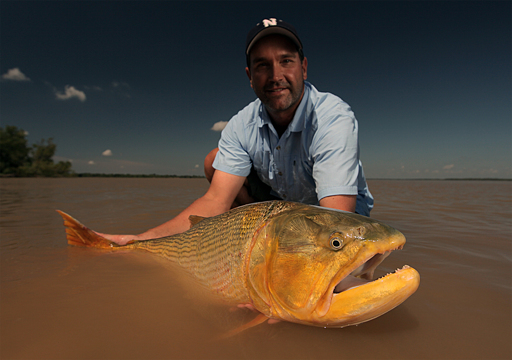
SALOBRA, Brazil — Life revolves around water in this quiet fishing village in Brazil’s southern Pantanal, the world’s largest wetland. Here, a clear tributary meets the broader Miranda River, part of a vast floodplain where multiple streams spill across the landscape and wildlife thrives. Jaguars prowl riverbanks, giant otters patrol the channels, parrots fill the skies, and beneath the rippling surface, fish of every size and shape swim through a shifting watery mosaic, tying a vast aquatic ecosystem together. For 72-year-old retired fisherman Alberto Oriozola, the Miranda River was once both livelihood and lifegiving. He recalls, as a young man, looking down from a hilltop and seeing the river bottom appear to move with swimming pintado — the spotted surubim catfish (Pseudoplatystoma corruscans), their jaguar-like markings visible in the clear water. “You could choose the size you wanted to catch,” he remembers. Fish 3 meters (10 feet) long were part of the catch. Now, the largest surubim are maybe half that length, and far less common. Maycon Lopes da Silva (left) and Alberto Oriozola (right), two generations of fishers from Salobra, Brazil, reflect on declining catches along the Miranda River. Image by Stefan Lovgren. These days, Oriozola’s grandson-in-law, Maycon Lopes da Silva, 26, works the same waters but in a different way. He guides sport fishers who come in search of surubim (in Portuguese, or sorubim in Spanish), along with other large species, and he shares the river with his more than 18,000 followers on Instagram. Bare-chested and quick to…This article was originally published on Mongabay
From Conservation news via This RSS Feed.