

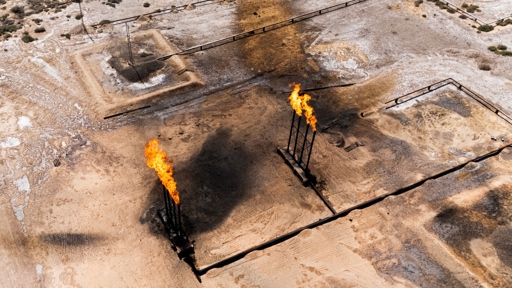
For almost half a century, the vast majority of climate experts have agreed on a solution to global warming: stop burning fossil fuels like coal, oil, and natural gas. But despite the political efforts of governments across the world to promote replacing these fuels, fossil sources have remained a stubbornly large share of global energy — around 80 percent at last count.
But the war in Iran, which the United States and Israel launched two months ago this week, may turn out to be the push that dislodges fossil fuels’ place atop the world’s energy system. The Strait of Hormuz, the narrow waterway near Iran through which 20 percent of the world’s oil and natural gas supplies flow, has been blocked since early March, with no relief in sight. This has created the biggest energy crisis in modern history. Twenty-five countries are now reporting critical road fuel, jet fuel, or heating oil shortages.
But unlike the oil shock of the 1970s, which occurred in a time when substitutes for fossil fuels were not yet powerful or cheap enough to build at scale, this disruption is happening as renewable energy sources are beginning to outcompete fossil fuels, providing countries with new energy options at costs that have plummeted in recent years.
“We now have a viable alternative,” said Selwin C. Hart, a special adviser to the United Nations Secretary-General, at a first-of-its-kind international conference on transitioning away from fossil fuels in Colombia this week. “Renewables have changed the equation.”
But even though this calculus has changed, it’s too soon to say where the chips will fall as the world’s energy system evolves. While the reliability of a huge chunk of the world’s oil and natural gas is now perhaps permanently in question, it’s not certain that renewables will fill all or even most of the gap. Coal, the most polluting fossil fuel, is taking on a renewed appeal in a world desperate to replace natural gas for electricity, and it remains difficult for solar and wind to replace the around-the-clock power provided by both of those fossil fuels.
“It’s hard to say which direction things will go,” Daan Walter, a lead researcher at the energy think tank Ember, told Grist.
Still, two months after the war began it’s becoming clear which sources of energy stand to win and which stand to lose as the world changes in response to the conflict. As prices rise and supplies dwindle, countries around the globe are reevaluating their energy futures. While some have fallen back on dirty fuels to fill the gaps caused by the closure of the Strait of Hormuz, others have announced significant investments in clean energy to chart a path away from the sources of energy they have relied on for more than a hundred years.
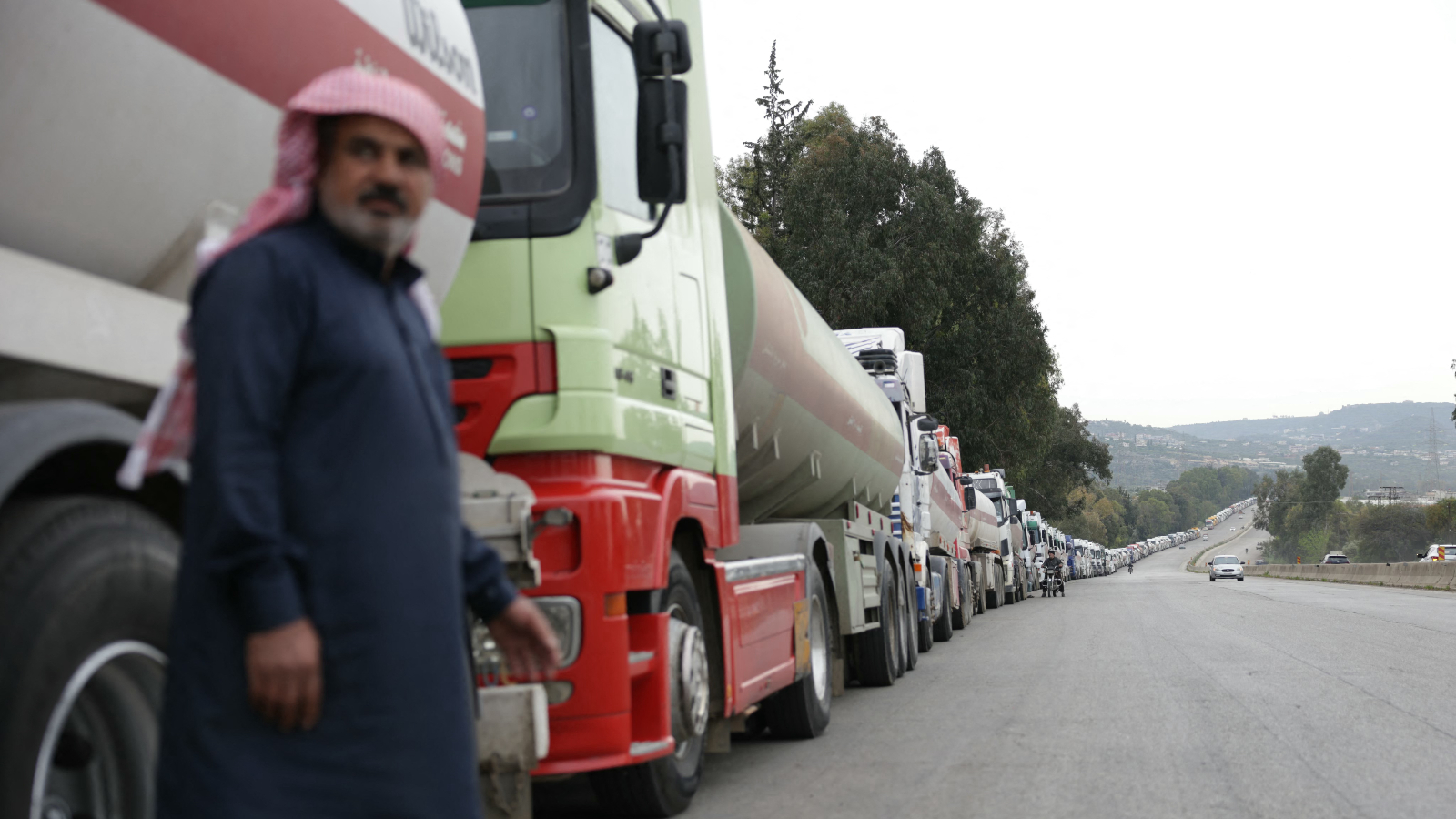
Iraq has begun exporting oil by sending tanker trucks through Syria. An official said oil revenue dropped more than 70 percent in March.
Bakr ALkasem / AFP / Getty Images
Losers: Oil and natural gas
The Strait of Hormuz is the chokepoint through which more than 20 percent of the world’s oil supply passes, including exports from major producers such as Iran, Iraq, Kuwait, and Saudi Arabia. The small nation of Qatar produces around one-fifth of the world’s liquefied natural gas, or LNG, which it exports on boats in superchilled tanks. Iran’s drone attacks have damaged Qatar’s major gas infrastructure and prevented all the nations in the region from sending both oil and LNG shipments through the Strait of Hormuz.
The main buyers of this oil are in Asia, but tankers from the strait travel all over the world, including to the U.S. The first month of the war set off a scramble to replace this lost supply. Major buyers like China and Japan started hoarding refined oil products they would normally export and began rationing their strategic fuel reserves. Rich importers like Australia and California paid more to secure seaborne oil from other countries.
Most nations don’t have the same luxuries; they simply have to use less oil. In Asia, the loss of LNG compounds the problem tremendously. Several major Asian economies including Japan, Korea, and Singapore rely on LNG to run their power plants and factories. Many LNG shippers sign long-term contracts with importing countries, meaning there weren’t any spare shipments floating around, as was the case with crude oil after the start of the war. If they wanted to keep the lights on, these countries had to turn back to dirtier coal power.
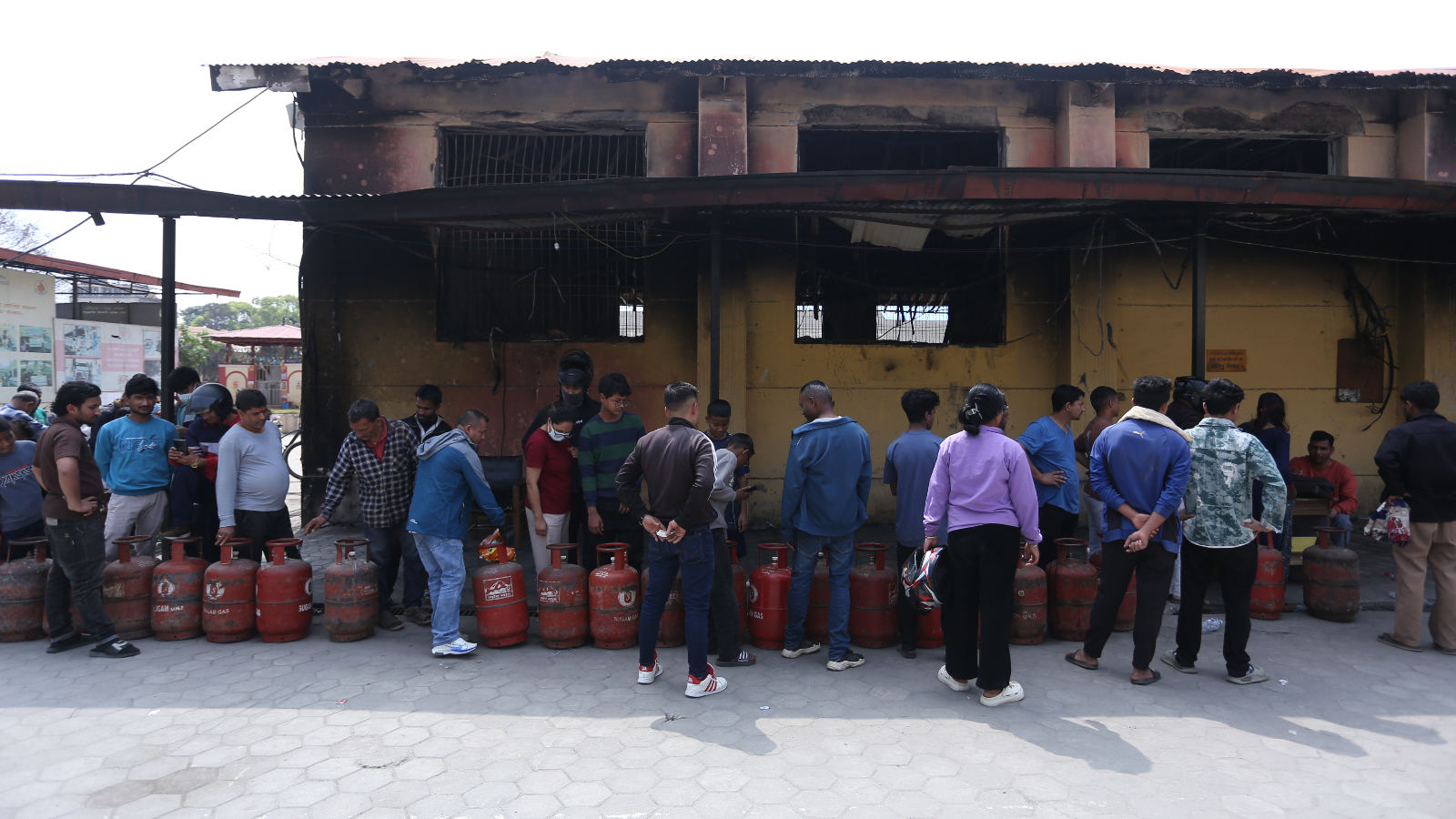
Nepali consumers line up to receive partially-filled liquefied petroleum gas cylinders at a depot of the Nepal Oil Corporation in Kathmandu, Nepal, on March 14, 2026.
Sanjit Pariyar / NurPhoto / Getty Images
The loss of LNG from Qatar was a big win for the United States, which is the world’s other biggest exporter of liquefied gas. The LNG exporters who did have spare capacity available could command eye-watering prices from countries that needed the fuel. But there’s a limit to how much more gas the U.S. can send to fill the gap: liquefying natural gas requires the construction of massive factories on the coast, which can take years, and existing plants are already running at full capacity. In the meantime, the disruption has dampened enthusiasm for what had been a very popular fuel, said Anne-Sophie Corbeau, a researcher at Columbia University’s Center on Global Energy Policy and the former head of gas analysis at BP.
“If you are an LNG importer and you are looking at the global market, you’re thinking, ‘do I want to be exposed in that way?’” she said.
Meanwhile, governments across Asia have rolled out a host of policies intended to cut down on the consumption of oil and natural gas: They lowered speed limits, mandated remote work, set thermostats higher despite hot weather, and asked employees to take the stairs rather than using the elevator. They have also waived fuel taxes and banned price increases to prevent an affordability crisis. These measures have contained unrest and economic collapse for now, but further warning signs are emerging. Airlines in Europe, Africa, and New Zealand have cancelled hundreds of flights, and small carriers in the U.S. are facing bankruptcy as the price of jet fuel rises.
In the long term, the oil crisis may accelerate a preexisting shift to electric vehicles and hybrids, which had already begun to outsell gas cars in many countries in Europe and Asia. In the first month of the war, electric-vehicle sales jumped by more than 50 percent in big European economies like France and Germany, and by almost 200 percent in Brazil. While gas cars still make up the vast majority of vehicles on the road today, a fast shift to EVs — juiced by government mandates such as Indonesia’s — could cause oil demand to plateau or decline in the coming years.
Winners: Coal, solar, nuclear
Coal is the dirtiest fossil fuel; it produces far more carbon dioxide than oil or natural gas to generate the same amount of energy. Although some major economies like China and India still burn tremendous amounts of it, many world powers have been shifting toward liquefied natural gas and renewables over the past decade, cutting emissions in the process.
Even so, most of these coal-to-gas switchers never decommissioned their old coal plants — they just stopped using them. Since the beginning of the war, the availability of this legacy coal fleet has allowed countries across Asia to ramp up coal capacity to fill the gap in lost LNG imports. South Korea lifted a previous emissions limit that barred coal plants from running at more than 80 percent of total capacity, allowing the coal fleet to generate as much power as possible. On the other side of the globe, some European countries like Italy are extending the lifespans of their coal plants, in some cases by more than a decade.
“The real question is how governments balance short-term energy security with long-term climate commitments,” said Dinita Setyawati, a Jakarta-based analyst for Ember who studies decarbonization in Asian economies.
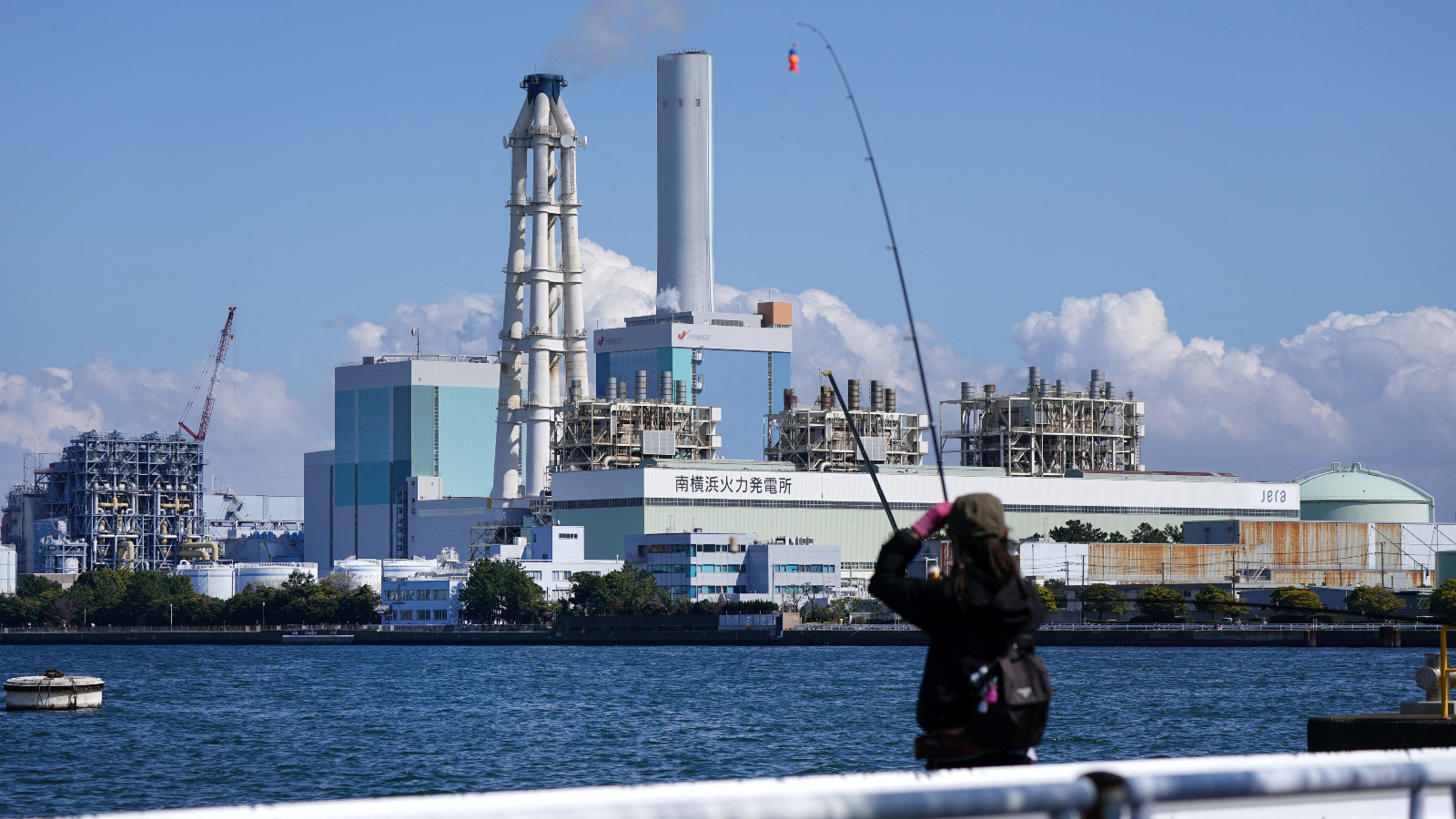
Japan’s government plans to temporarily lift restrictions on coal-fired power plants like the Isogo Thermal Power Station.
Kazuhiro NOGI / AFP / Getty Images
Although most experts believe coal power will continue its decline as a major source of primary energy, Corbeau said that the crisis could prolong its lifespan in Asia, breaking natural gas’s role as a so-called “bridge fuel” between coal and renewables.
“They could definitely keep coal, add more renewables, and do less LNG in the end,” said Corbeau. “It may be that a lot of countries say that coal is a lot less subject to geopolitics, therefore we are going to use more coal.”
No renewable source is in a better position to surge than solar. Solar farms already made up the vast majority of new power plants even before the war, and Chinese exports of solar panels, batteries, and electric vehicles hit records in March, according to recently-released export data. (China is by far the world’s most prolific exporter of renewable energy technology.)
The countries most affected by the Iran War are among the areas seeing the “sharpest increases in demand” for these products, according to Ember. Exports of Chinese batteries rose 44 percent; the European Union, Australia, and India were top customers. The flow of solar components to India rose by 6.6 gigawatts between February and March, a nearly 150 percent increase. Solar exports to Africa rose 176 percent over the same time frame. Nigeria, Kenya, and Ethiopia led the way with more than a gigawatt of growth each. All told, 50 countries set records for Chinese solar imports in March.
After Europe saw its solar market contract slightly last year, demand for rooftop solar in countries across the continent is surging as electricity bills rise, according to a report from Reuters. Three major energy equipment wholesalers interviewed for the report have seen their sales spike more than 30 percent, with one company’s net sales tripling in March. The European Commission, which released a document last week calling for more electrification, renewables, and energy efficiency measures to counteract the ongoing energy shortage, will present energy ministers with proposals for how to reduce short-term fossil fuel exposure at a meeting in Greece next month.

Solar panels on a residential building’s balconies in Germany.
Martin Schutt / picture alliance / Getty Images
In Vietnam, a company that planned to build a 4.8-gigawatt liquefied natural gas plant — which would have been the country’s largest — has axed those plans and now aims to build a wind, battery storage, and solar facility instead. South Korea recently announced a fast-tracked plan to deploy 100 gigawatts of renewables by 2030, a plan that includes 400 billion won, or roughly $270 million, for low-interest loans for village solar projects. (One hundred gigawatts is roughly enough electricity to power Ho Chi Minh City 10 times over.)
While solar is a clear winner in light of the new bottleneck in the Middle East, the outlook for wind power is less clear. On the one hand, the German wind turbine maker Nordex saw its shares reach a 24-year high in the first quarter of 2026, as demand for clean energy in Europe continues to rise. But the Iranian and American blockades of the Strait of Hormuz could stymie the delivery of wind turbine components such as foundations and substations, many of which are manufactured in the Persian Gulf. This could have a depressive effect on wind growth even if countries in Europe and the United Kingdom wish to boost development.
There’s a chance, however, that the biggest winner may be the most controversial form of climate-friendly power. For decades, the growth of nuclear energy has been constrained by high prices and long development timelines; it can take over a decade to get a plant licensed and built. Disasters like the 2011 tsunami that damaged the Fukushima nuclear plant in Japan further dampened nuclear’s growth. In Europe, pressure from anti-nuclear environmental groups led many countries to decommission their nuclear power fleets. As a result, the share of power coming from nuclear reactors globally reached its lowest point in four decades in 2022.
Anti-nuclear sentiment was starting to soften before the war in the Middle East began, but the Iran War is speeding up this trend, prompting countries that shunned nuclear for decades to reevaluate the role that around-the-clock carbon-free energy plays on their grids. Early evidence for a nuclear surge is strongest in Asia, which is most reliant on Middle Eastern oil and natural gas. In Taiwan, a country that gets a third of its liquefied natural gas from Qatar, the state utility formally submitted a restart plan for its Maanshan nuclear plant a month after the war began.
South Korea, which already gets about 30 percent of its power from nuclear, signed a cooperative agreement with Vietnam to jointly develop new nuclear capacity, building on talks that began last year. After restarting Kashiwazaki-Kariwa, which is the world’s largest nuclear plant, in January, Japan inked a$40 billion deal to build advanced small nuclear reactors in the American south during a visit to the White House in March. Japan also signed a 5-year “memorandum of cooperation” with Indonesia aimed at advancing nuclear power and critical minerals development around the same time.
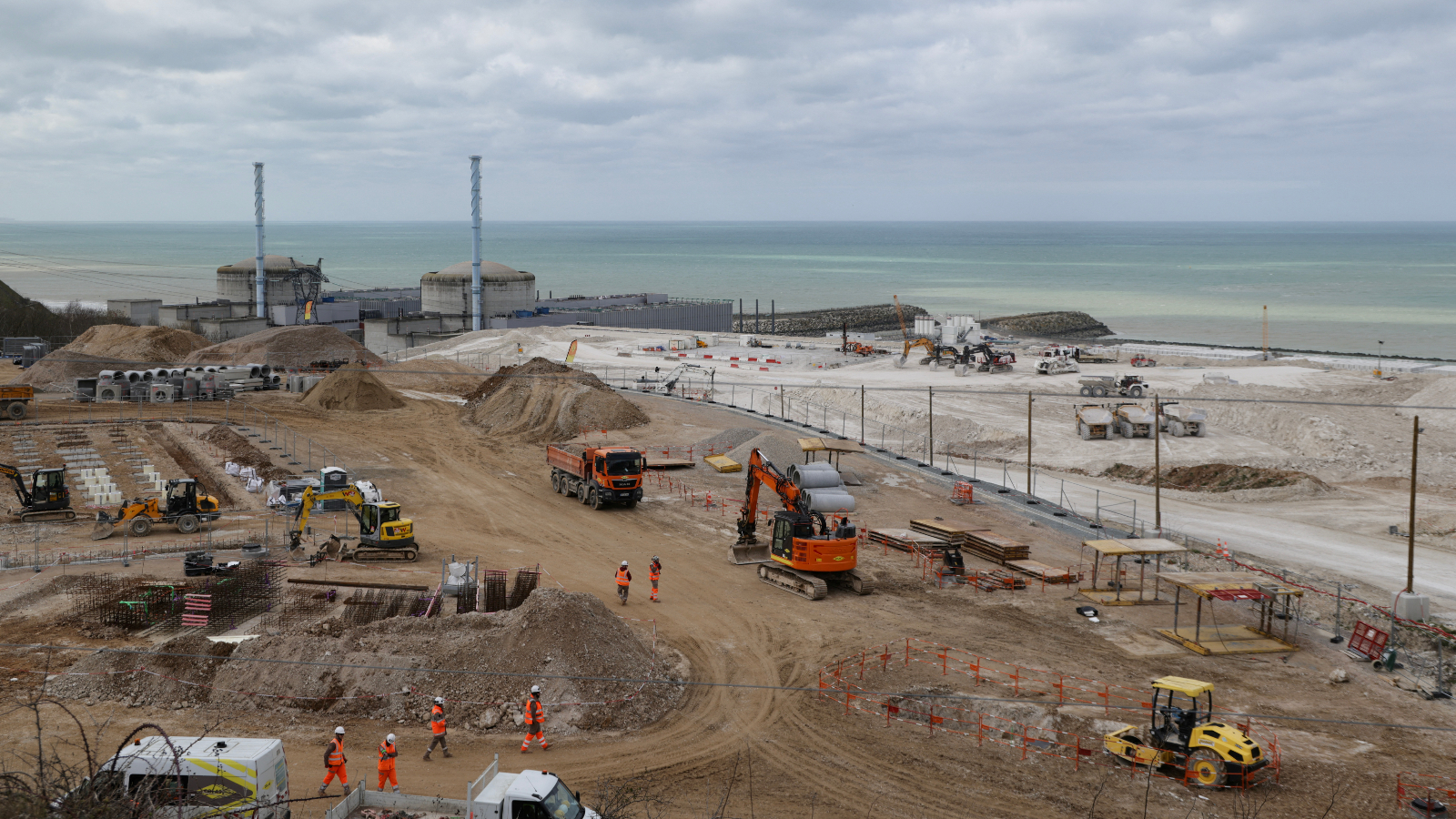
Construction at the Penly nuclear power plant in Petit-Caux on the English channel coast. France’s nuclear recovery program provides for the construction of six new reactors.
Ludovic MARIN / POOL / AFP via Getty Images
Elsewhere, countries are delaying nuclear phase-outs and talking about how to boost capacity. “I believe that it was a strategic mistake for Europe to turn its back on a reliable, affordable source of low-emissions power,” European Commission President Ursula von der Leyen said in March this year as she announced a $232 million fund to galvanize private investment in new nuclear technologies. The Commission warned member states like Spain and Belgium against prematurely phasing out nuclear power plants. In Africa, Kenya, Rwanda, and South Africa reaffirmed their support for nuclear; nearly half of the countries on the continent had long-term nuclear development plans before the war began. This week, the government of Belgium began negotiations to take over a fleet of nuclear reactors that the utility Engie had been planning to shut down.
“All decommissioning activities are being halted with immediate effect,” said the country’s prime minister, Bart De Wever, in a statement.
This story was originally published by Grist with the headline Two months in, the Iran war has changed the global energy system forever on May 1, 2026.
From Grist via This RSS Feed.