

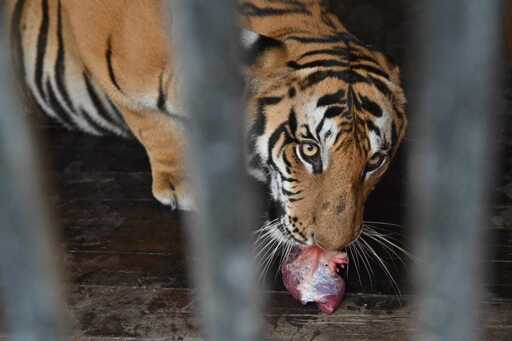
KATHMANDU — Nepal has proposed legalizing private zoos, wildlife rescue centers and hospitals, but experts warn weak safeguards could fuel wildlife capture and undermine conservation efforts. Officials say the move could improve infrastructure and raise awareness, but critics warn it lacks clarity on oversight, enforcement and animal welfare standards. “There are so-called mini zoos in Nepal, but many function more like killing centers,” said Dibya Raj Dahal, president of Kathmandu-based NGO Small Mammals Conservation and Research Foundation (SMCRF). “Small wild animals are captured from the wild and sold to these facilities under the guise of rescue. In reality, it is extraction,” he said, adding that many animals die in captivity. Nepal’s only federal government-recognized and functional zoo, the Central Zoo in Kathmandu, was established in 1932 as a private collection. The zoo, which opened its doors to the public in 1956, was managed by the government until 1995 when it was handed over to the National Trust for Nature Conservation (NTNC), a semi-governmental nonprofit. Although different “mini zoos” have been set up in different parts of the country, their legal status has been dubious and their treatment of animals criticized by conservationists. In response, the government had been saying it plans to introduce new guidelines for the establishment and running of different categories of zoos across the country. Dahal said that despite its gaps, the draft was an improvement on the current regulatory vacuum. “It is a positive step, but the draft remains incomplete.” The guidelines also come as the…This article was originally published on Mongabay
From Conservation news via This RSS Feed.