

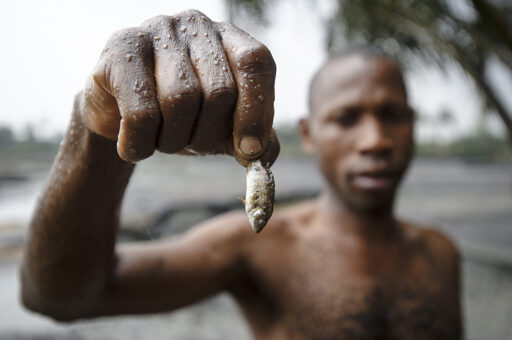
Marine resource conflicts can arise when industrial vessels enter coastal waters used by small-scale fishers, a port is built on a mangrove restoration site or a shipping lane runs through a marine protected area. A new study identified more than 1,000 such conflicts in Africa over an 11-year period and found that nearly 75% were disputes over access to spaces and resources. The study, published April 17 in the journal One Earth, calls for more participatory and transparent governance to reduce conflicts, warning that without such reforms, conflicts could derail African policymakers’ sustainability and equity goals. “Ensuring meaningful participation of affected groups is one of the biggest takeaways,” Elizabeth Selig, managing director at the Center for Ocean Solutions at Stanford University in the U.S. and lead author of the study, told Mongabay. “If you embed [these groups] within decision-making processes and are conscious of [future] actions that could affect them, you are more likely to be able to avoid conflict.” Effects of an oil spill are visible at Goi Creek, Nigeria, in August 2010. Conflicts related to oil spills in Nigeria appear in a marine resource conflict database created by Stanford University researcher Elizabath Selig and her co-authors. Image by Friends of the Earth Netherlands via Flickr (CC BY-NC-ND 2.0). The ocean is a site of both increased conservation interest and economic activity, Selig and her co-authors write. “The compound impacts of a growing ocean economy, climate-change-associated shifts in marine resources’ availability, and the expansion of spatial conservation measures” increases…This article was originally published on Mongabay
From Conservation news via This RSS Feed.