

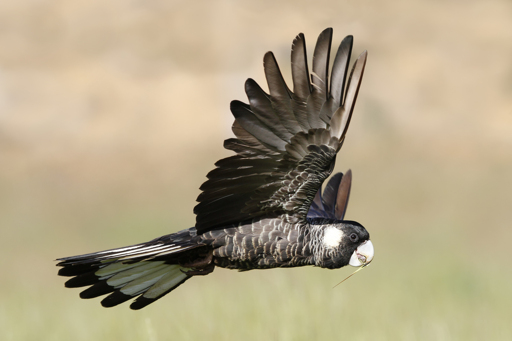
Environmental organizations in southwest Australia have criticized the Australian government’s decision to grant the U.S. bauxite mining company Alcoa a national interest exemption, usually provided in cases of emergency, defense or national security, thereby authorizing the company to continue its operations despite years of unauthorized clearing in the country’s Northern Jarrah Forest. The Northern Jarrah Forest, one of the world’s most biodiverse temperate forests, has faced threats since European settlers first occupied it in 1836. Between 1960 and 2020, 32,130 hectares (79,394 acres) were cleared for bauxite mining alone. As remediation for the illegal clearings, the government reached an agreement with Alcoa on Feb. 18, which involves the company paying A$55 million (about $39.5 million) through enforceable undertakings, including a range of environmental rectification works, such as ecological offsets to preserve habitats and conservation programs for black cockatoo species. Environmental organizations, such as BirdLife Western Australia and the Biodiversity Council, say these measures are insufficient to prevent the extinction of the Baudin’s black cockatoo (Zanda baudinii). The bird is listed as critically endangered on the IUCN Red List of Threatened Species and it depends on the Northern Jarrah Forest for feeding during the nonbreeding season. “The reason the birds are in trouble is because of habitat loss and habitat degradation,” Mark Henryon, the chair of the BirdLife Western Australia Advocacy Committee, told Mongabay over a video call. “If you take the habitat out, we’re going to lose the birds.” The government also agreed to progress a strategic assessment agreement with…This article was originally published on Mongabay
From Conservation news via This RSS Feed.