

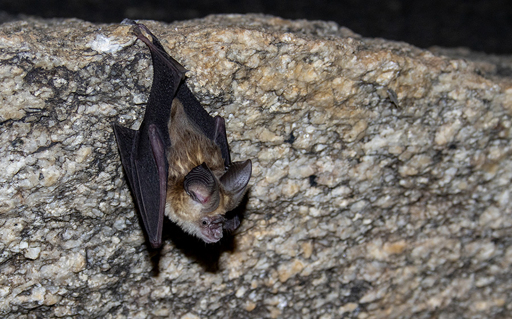
India is home to 135 known bat species, but their natural history and ecology remain poorly understood, according to the first nationwide assessment of the country’s bats. The report, developed by 36 experts from 27 institutions in India, was released by the nonprofit organizations Bat Conservation International (BCI) and the Nature Conservation Foundation. “Bats are the most diverse order of mammals in [India],” Rohit Chakravarty, BCI’s India program manager, told Mongabay by email. “[Yet], there are less than 50 dedicated bat researchers in the country so there’s an urgent need for prioritizing research topics, species, geographical areas.” Of the 135 species, seven are listed as threatened on the IUCN Red List. Roughly a quarter, or 35 species, are listed as data deficient or not listed at all, meaning their conservation status hasn’t yet been evaluated, the report notes. Sixteen bat species are found only in India, including the somber bat (Cnephaeus tatei), Salim Ali’s fruit bat (Latidens salimalii), the Kolar leaf-nosed bat (Hipposideros hypophyllus) and the Nicobar flying fox (Pteropus faunulus). Most of the endemic species are either threatened or data deficient. Chakravarty said there’s still plenty to learn about the ecology of India’s bats. For example, many bats have been found roosting inside caves, plants and even human-made structures like mines and culverts, old buildings and archaeological sites. But where the bats feed is still poorly understood. “This prevents us from protecting habitats beyond their roosts, particularly for [threatened] species like the Kolar leaf-nosed bat and Salim Ali’s…This article was originally published on Mongabay
From Conservation news via This RSS Feed.