

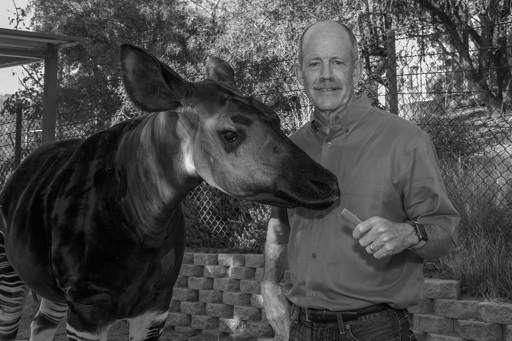
In a zoo, a crisis often begins before anyone names it as such. An animal stops responding to treatment. A pregnancy fails to progress. A procedure goes as planned but the animal does not recover as expected. The work is technical and uncertain, and the margin for error is narrow. Outcomes depend on biology, timing, judgment, and factors that are not immediately apparent. Over time, this shapes the people who do the work. Some grow detached; others become more deliberate. What matters is not only what is done for the animal, but how people carry the outcome when it goes against them. Leadership, in such settings, tends to show itself in small ways: who turns up, who listens, and who steadies the room. Don Janssen, a wildlife veterinarian who spent more than three decades at the San Diego Zoo and its Safari Park, came to see his profession in these terms. Early on, he had assumed that liking animals more than people was an advantage. A senior veterinarian corrected him. If you do not learn to work well with people, he was told, you will spend your career in conflict, and the animals will bear the cost. Janssen returned to that lesson often. Janssen trained at the University of California, Davis, graduating in 1978, and went on to build a career that helped shape modern zoological medicine. At San Diego, he rose to become director of veterinary services and later vice-president of animal health. His work ranged from routine clinical…This article was originally published on Mongabay
From Conservation news via This RSS Feed.