

This editorial by José Romero originally appeared in the April 24, 2026 edition of La Jornada, Mexico’s premier left wing daily newspaper. The views expressed in this article are the authors’ own and do not necessarily reflect those ofMexico Solidarity Mediaor theMexico Solidarity Project*.*
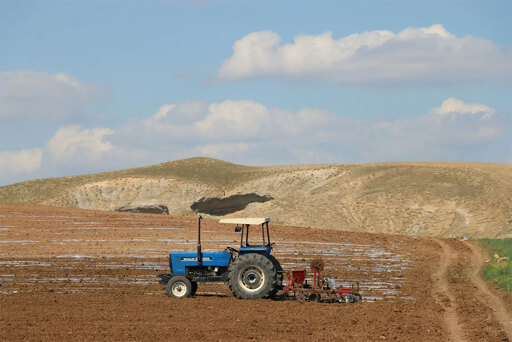
If there is one area where free trade has shown its structural failure, it is agriculture. There, the promise that openness would bring efficiency, growth, and prosperity collapsed. The USMCA did not correct the asymmetry between Mexico and the United States; it institutionalized it. Both countries retained the ability to support their agricultural sectors as if they were starting from similar conditions. This is not the case. The United States supports its producers with subsidies, insurance, credit, infrastructure, and technology. Mexico exposed them with far less support. That is not competition: it is a structurally unequal relationship.
That’s the key that’s often overlooked. Mexico isn’t just competing against American farmers, but against the American government. Behind every ton of corn, wheat, or soybeans that enters the country, there’s a public system that mitigates risks and guarantees income. On the Mexican side, vast rural regions faced the opening of the market with low productivity, limited financing, and fragmented public policy. The result was predictable: imported products displaced domestic producers and eroded the economic base of the countryside.
Corn encapsulates everything. Mexico, its center of origin, became increasingly dependent on imports from the United States. What was once the core of the rural food supply and economy became subordinated to an external logic. That is not agricultural modernization. It is a loss of control over the country’s material base.
The impact of the USMCA cannot be measured solely in exports or foreign exchange. It must be measured in terms of food dependency, the disappearance of producers, forced migration, territorial fragmentation, and the weakening of the social fabric.
And this situation is no longer just economic: it’s political. Behind cheap corn are not only American farmers, but a coalition of interests based in the grain-producing region of the Midwest and the Great Plains. Mexico became a crucial outlet for this subsidized surplus. Therefore, the problem isn’t trade itself, but the arrangement that sustains it: the treaty didn’t open a neutral market; it consolidated a mechanism in which Mexico absorbs subsidized grains that sustain income and territorial power on the other side of the border, while here, producers, communities, and margins of sovereignty are dismantled.
What followed was not modernization, but a fracture. On one side, successful agro-export enclaves— berries , avocados—deeply integrated into the US market. On the other, vast rural regions without viable productive alternatives. This success is real, but it is partial, concentrated, and dependent on supply chains dominated by large corporations, many of them foreign. It is not a strengthened agricultural sector; it is a divided one.
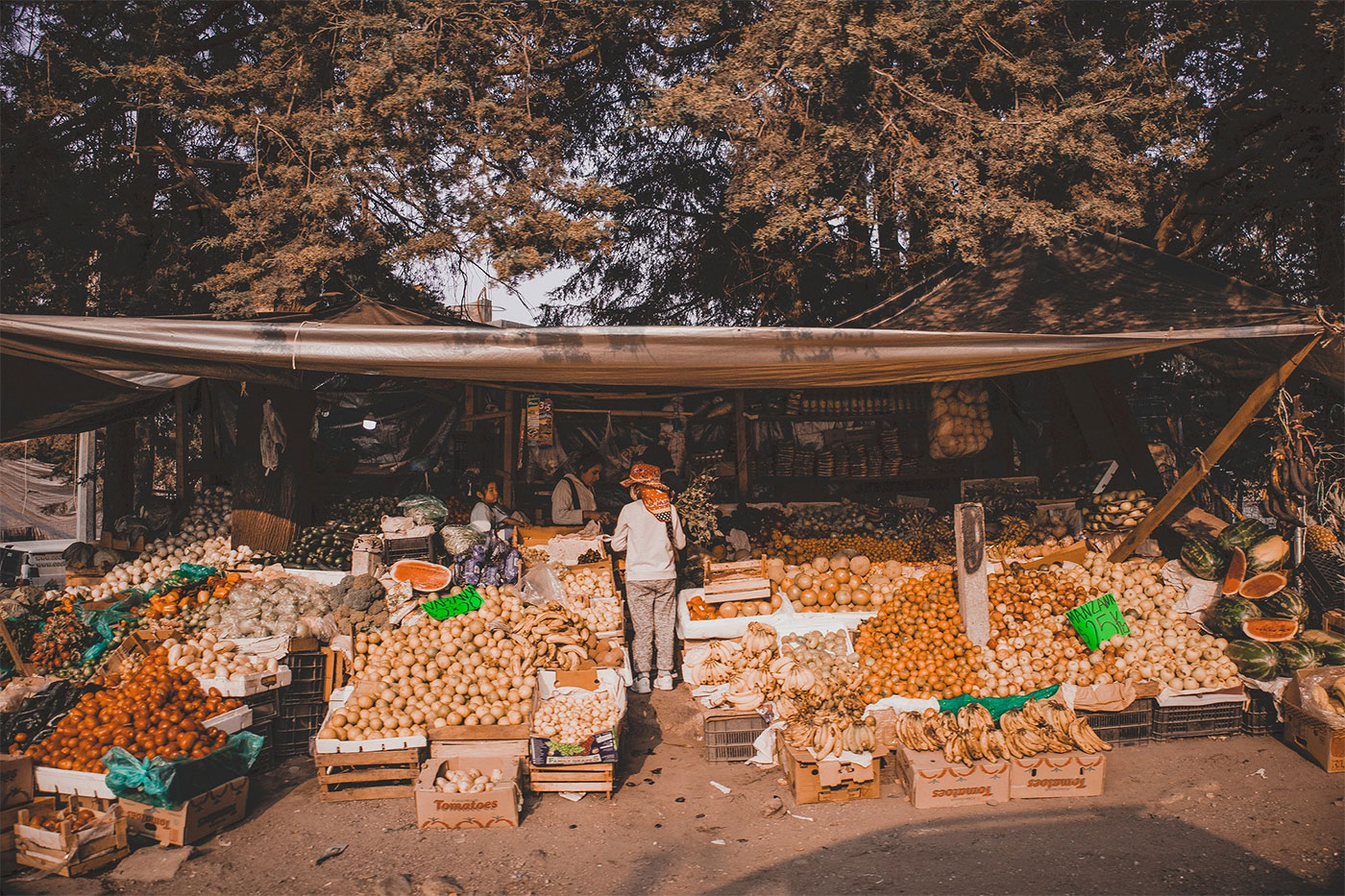
The opening up of the economy did not generate enough jobs or stable incomes. For millions, the only option was to migrate. But not everyone could do so, nor did everyone find decent work outside their communities. And therein lies one of the most uncomfortable consequences of the model: when the formal economy ceases to offer options, other economies take its place.
The destruction of the countryside not only displaced people; it disrupted entire territories. Where agriculture ceased to be viable, where local markets collapsed, and where the state failed to build alternatives, a displaced, impoverished population remained, without hope. Some migrated. Others stayed. And under these conditions, crime ceased to be merely an external threat and also became an escape for some of those forced from the countryside and abandoned by the formal economy.
The real question is whether Mexico can continue to sustain its food supply with subsidized imports while its agricultural sector is dismantled. Because what’s at stake isn’t trade: it’s the country’s ability to make decisions about its own production base, and that ability has been gradually eroding.
This is not a simple, mechanical relationship between poverty and crime. It’s something deeper: a model that destroys rural productive foundations expands the space for recruitment and the growth of illegal economies. Where there is no employment, credit, or state presence, organized crime finds readily available labour and territories to control. The deterioration of the countryside thus generated a double displacement: that of those who left and that of those who, unable to leave or find decent work, were left vulnerable to the criminal economy.
That’s why the impact of the USMCA cannot be measured solely in exports or foreign exchange. It must be measured in terms of food dependency, the disappearance of producers, forced migration, territorial fragmentation, and the weakening of the social fabric. Exports of avocados and berries are celebrated, but the fact that the country has become more vulnerable in terms of the grains that sustain its food supply is concealed. Success stories are glorified, while the devastation is ignored.
After three decades, the result is clear. Agricultural liberalization did not strengthen the Mexican countryside; it subordinated it. It produced profitable enclaves, but not a rural structure capable of sustaining national development. And in that process, not only was food sovereignty eroded, but conditions were also created for migration, precariousness, and the spread of violence in the abandoned territories.
The review of the USMCA shouldn’t be limited to discussing market access. The real question is whether Mexico can continue to sustain its food supply with subsidized imports while its agricultural sector is dismantled. Because what’s at stake isn’t trade. It’s the country’s ability to make decisions about its own production base. And that ability has been gradually eroding. That, too, is part of the treaty.
-
USMCA & The Destruction of Mexican Agriculture
April 25, 2026April 25, 2026
The treaty didn’t open a neutral market; it consolidated a mechanism in which Mexico absorbs subsidized grains that sustain income & territorial power on the US side of the border, while here, producers, communities, & margins of sovereignty are dismantled.
-

Cuauhtémoc Cárdenas Suggests PEMEX Transition From Oil Company to “energy entity”
April 24, 2026
The son of President Lázaro Cárdenas, who nationalized Mexican oil production in 1938, made the comments as part of the Petroleum Advisory Commission.
-

Mexico’s National Security Shows Fractures
April 24, 2026April 24, 2026
We are facing a scenario where denial is becoming state policy, but the most dangerous aspect is that even if the federal government truly lacked details, there’s an unacceptable lack of coordination.
The post USMCA & The Destruction of Mexican Agriculture appeared first on Mexico Solidarity Media.
From Mexico Solidarity Media via This RSS Feed.