

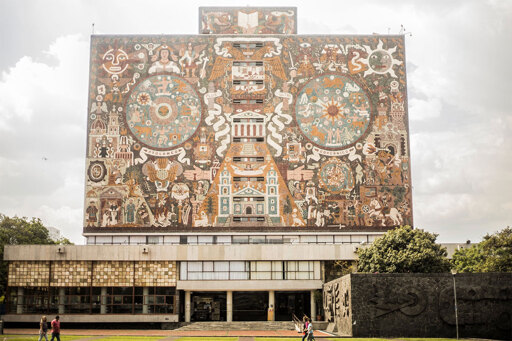
This article by Ivan Ortiz originally appeared in the April 24, 2026 edition of El Sol de México.
From Monday to Friday, Biology student Elizabeth Gerardo works three shifts: six hours of classes at the Faculty of Sciences of the National Autonomous University of Mexico (UNAM), five more hours taking care of her younger brother at home, located in Naucalpan, State of Mexico, and another six hours spent on public transport, back and forth, between both places.
“Before my mobility problems, my commute was always two hours long. But now my journeys are three hours long, and I spend six hours a day on public transport. I arrive at school and home extremely tired,” the 19-year-old told this newspaper in an interview.
Aragón Galván, an engineering student at the National Polytechnic Institute ( IPN ) and an accounting student in the open system of the UNAM , also spends up to six hours commuting between his two schools and his home.
“I normally used to do three to four hours, but with the subway renovations, I’m doing double that. Now, on a good day, I do six hours, and on bad days, seven to eight hours. Practically a full workday,” he said.
Like them, thousands of students from the outskirts of Mexico City spend two hours or more each day commuting from their homes to University City, in the south of the capital. They say this commute has increased due to recent construction, service disruptions, and overcrowding on the Metro (STC) system.
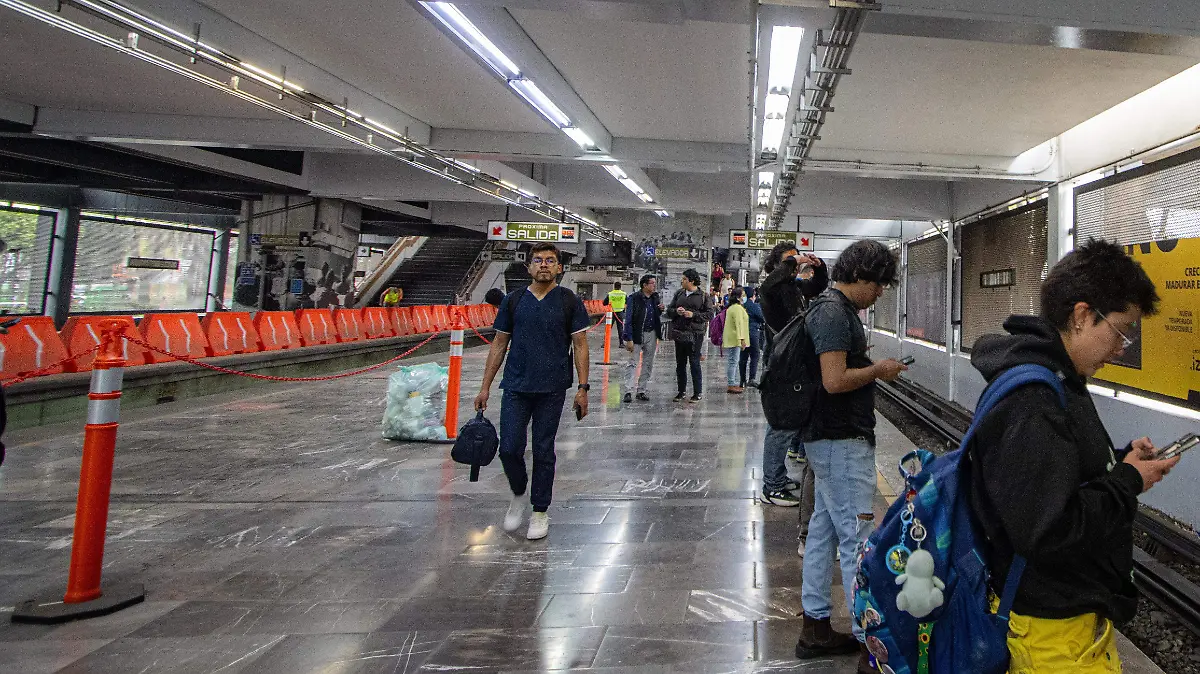
Some subway users have to make multiple transfers to reach their destination faster. Photo: Nadya Murillo
Therefore, both campuses are preparing protests to demand that UNAM provide alternatives to avoid the excessive time spent on their commutes.
At the Faculty of Sciences, student strikes are being organized while discussions are held with authorities regarding the implementation of online or hybrid classes . At the Faculties of Accounting and Administration, protests are being planned for this Friday, April 24th, to occupy the turnstiles at the Metro Universidad station and allow passengers to pass through for free.
“It’s not fair that we fail for being late to exams or classes when we’re working hard every day. We’re mobilizing with the Popular Metro, even participating in marches, but above all, we’re raising awareness. We’re seeking to improve public transportation; it’s not dignified when a journey takes more than an hour and a half, even though it should only take half an hour,” Aragón stated.
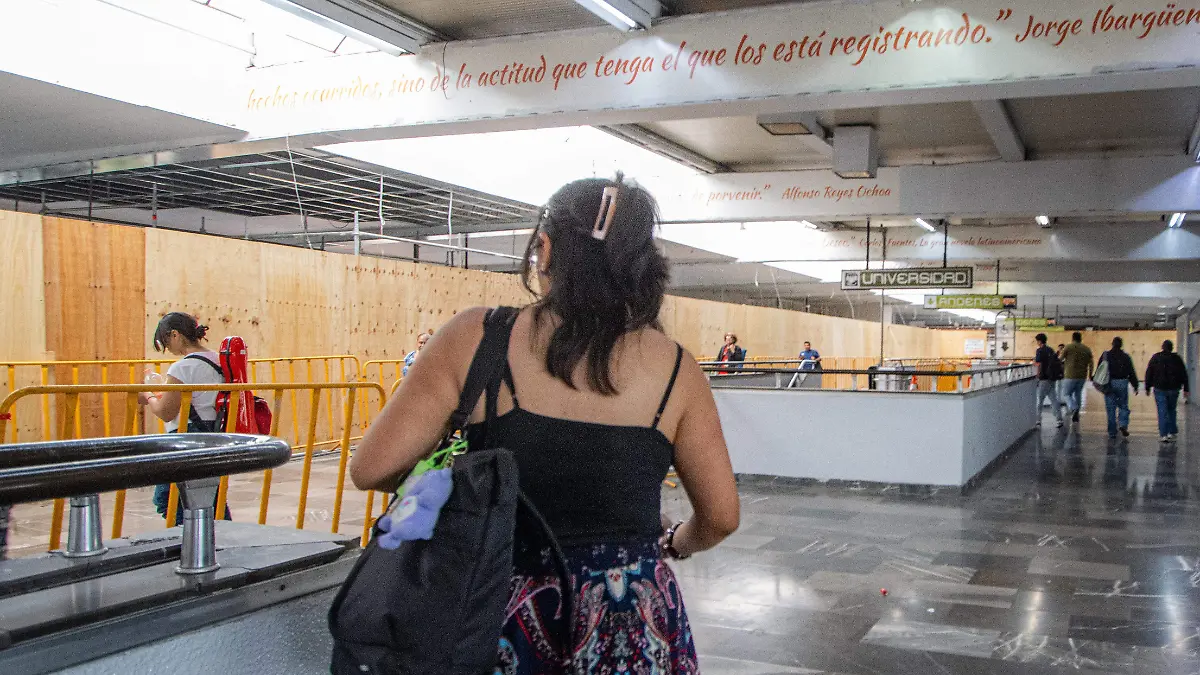
Delays on the Metro have doubled the commutes of some passengers. Photo: Nadya Murillo
Aragón sometimes arrives home after midnight. At that hour, the streets of Mexico City are empty, but the buses that go to and from the State of Mexico are packed with people.
During journeys by bus and subway, it is common to travel standing up, trapped between dozens of people, and to endure human heat, pushing, assaults, and sexual harassment.
At four in the morning Elizabeth wakes up to leave home and get to her first class.
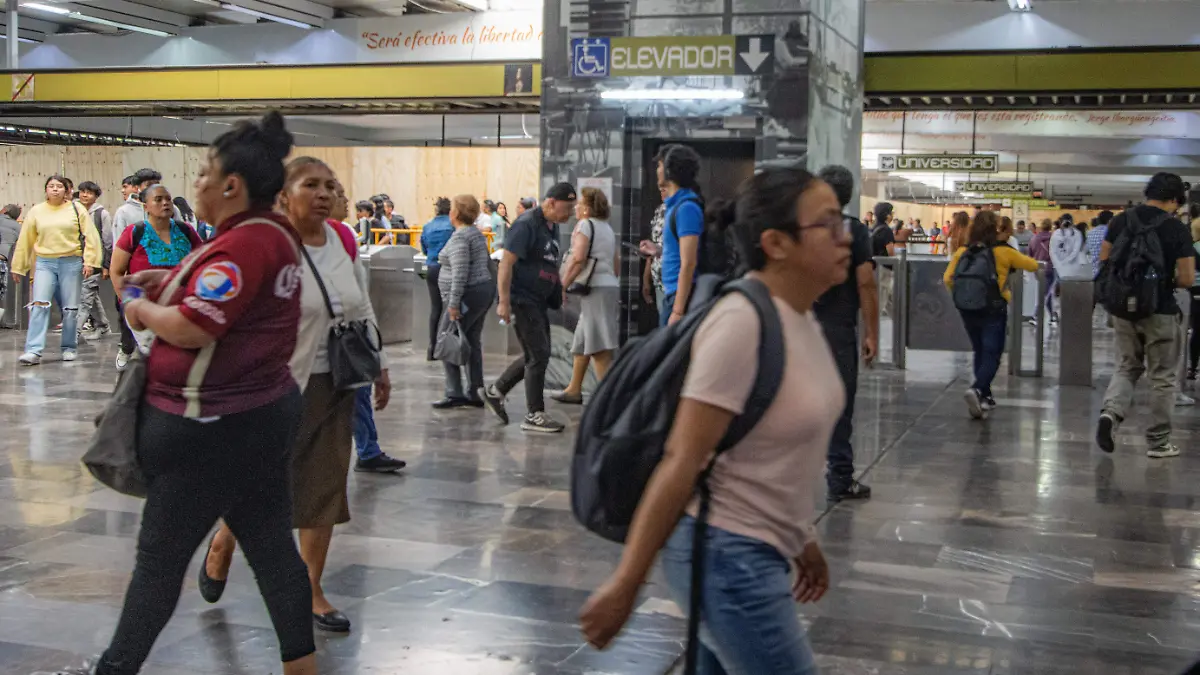
Students say they end up tired, stressed, and anxious after spending too much time on public transportation. Photo: Nadya Murillo
“In general, Line 2 isn’t that slow, but it also has its delays due to construction. The problem is Line 3, because lately there are so many people. I have to wait for up to three trains before I can get on one. Then Line 3 is so slow that I’m better off taking the 7 and 12 bus towards Zapata and then on to Universidad. It’s a huge detour involving four lines, but it takes less time,” the young woman explained.
Unlike her male classmates, Elizabeth has to return home early from her classes to take care of her nine-year-old brother. But she hasn’t been able to. “I babysit my brother because my mom works and no one else can. But these subway delays have made it hard for me to get home on time. I get back an hour late, and my mom is super late for work because she’s waiting for me, and she gets in trouble for it.”
Until nightfall, the student juggles her studies with caring for her brother, and if there’s time, she rests. Because of this strain, she says, she feels stressed and anxious, and even though she sets alarms, she can’t wake up.
“I feel like I’m a good student, but my performance has dropped a lot. All I want to do is sleep. When I help my brother with his homework or take English classes, I’m falling asleep,” she said.
If she lived next to her school, she would use her free time to study or help her mother with other caregiving tasks.
“I feel terrible that my mom is the only one in charge of the house, because it’s a lot of work. But many times I can’t help her,” she admits.
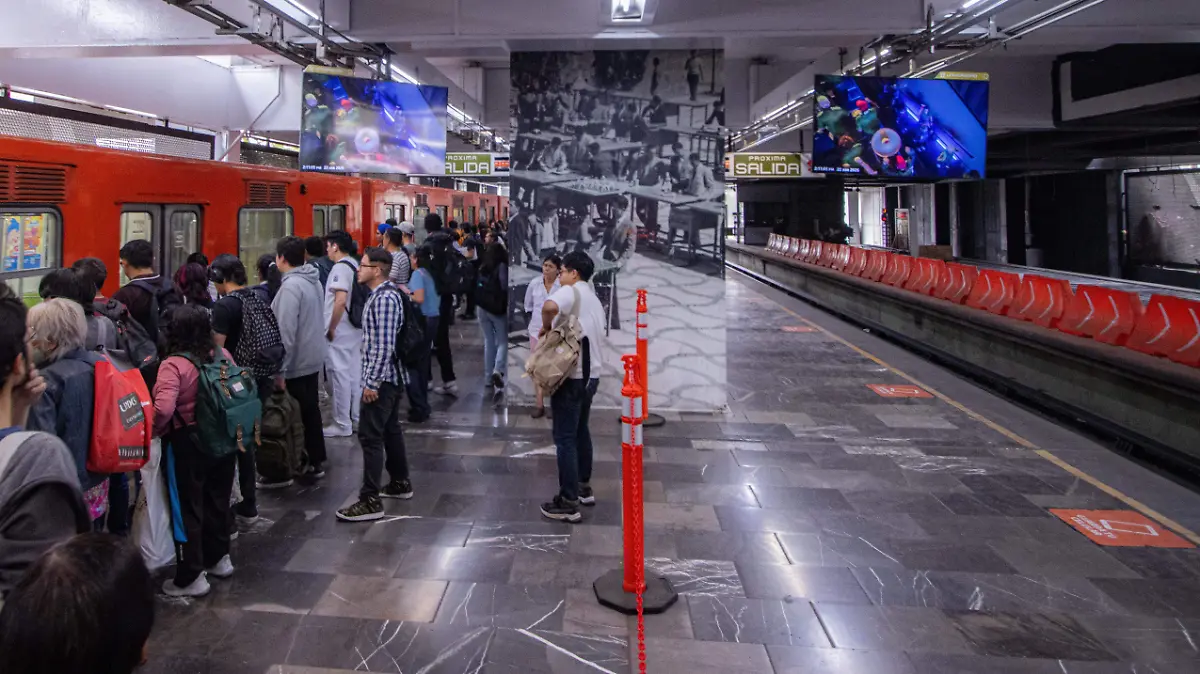
Passengers wait for the train on Metro Line 3. Photo: Nadya Murillo
What worries these students the most is the upcoming closure for remodeling of Line 3, which runs from Indios Verdes to Universidad.
“I have no idea what I’m going to do about the Line 3 remodeling. Several of my classmates tell me that they are even thinking of dropping out next semester because of it ,” Elizabeth added.
Esteban Morales, an accounting student who lives in Ecatepec and spends up to five hours commuting, also shared his concern about the announced renovations for this Metro line.
“Now there are fewer trains and they take a very long time. When they close Line 3 for renovations, everything is going to collapse, and the teachers aren’t always flexible with us.”
-

Mexico’s National Security Shows Fractures
April 24, 2026April 24, 2026
We are facing a scenario where denial is becoming state policy, but the most dangerous aspect is that even if the federal government truly lacked details, there’s an unacceptable lack of coordination.
-

People’s Mañanera April 24
April 24, 2026April 24, 2026
President Sheinbaum’s daily press conference, with comments on tourism, dead CIA spooks scandal, homicide reduction, and household goods support for flooding victims.
-

Morena Deputies Propose Making Mother’s Day a Paid Holiday
April 24, 2026April 24, 2026
Mexico is one of the countries with the fewest mandatory rest days for workers, the last holiday was added in 1987.
The post UNAM Students Prepare Protest: They Spend up to Six Hours a Day on Public Transport appeared first on Mexico Solidarity Media.
From Mexico Solidarity Media via This RSS Feed.