

This editorial by Juan Manuel Lira originally appeared in the April 21, 2026 edition of El Financiero. The views expressed in this article are the authors’ own and do not necessarily reflect those ofMexico Solidarity Mediaor theMexico Solidarity Project*.*
The decree creating the Universal Health Service (SUS), published in the Official Gazette of the Federation (DOF) on April 17, opens with a powerful promise: “that public institutions providing health services (…) do so under the principles of ‘Mexican Humanism’ and zero rejection.”
“Zero rejection.” Two words that, if fulfilled, would change the lives of millions of Mexicans who currently face a long and arduous journey when they need medical attention. The aspiration is legitimate, necessary, and historically urgent. What is concerning is not the destination, but the fine print of the ticket to begin this journey.
The same decree that promises “zero rejection” contains, in its articles, twelve conditions that allow institutions, with full legal legitimacy, to say exactly the opposite. This is not a biased interpretation. It is what the text published in the Official Gazette of the Federation (DOF) says, analyzed article by article.
Mexico’s “zero rejections” decree doesn’t establish a complaint system, appeals process, or administrative recourse. There are no penalties for those who deny service. That’s not an enforceable right. It’s a well-intentioned but restrictive measure.
Article One conditions access on “the installed, financial, and budgetary capacity of each institution .” Three filters in one sentence: if the hospital lacks space, funds, or an authorized budget, the patient can be legally refused treatment. Mexico has one hospital bed per 1,000 inhabitants; the OECD average is 4.2. Capacity is scarce in almost every public hospital in the country.
Article Two adds four more conditions. The services will operate “without prejudice to their financial capacity,” “without prejudice to their budgetary availability,” “without detriment to the quality of services,” and “in accordance with their capabilities.” Each phrase is reasonable individually. Together, they build a wall.
The most powerful of these conditions is that of “without detriment to the quality of services that institutions provide to their target population.” In a system operating at its limit, any additional patient has some impact. The clause makes “zero rejection” truly zero rejection if it does not affect any of the institution’s own beneficiaries.
The same article adds five operational criteria: the exchange will be carried out according to “available resolution capacity, specialization, regionalization, reciprocity, and patient safety, without compromising substantive operations.” Five additional reasons to limit care. Reciprocity requires a balanced flow between institutions, but it will inevitably be asymmetrical: from IMSS-Bienestar to IMSS, because an IMSS-Bienestar hospital does not have the same capacity as an IMSS High Specialty hospital.
In total there are twelve escape clauses. Twelve locks on the door that the SUS decree claims to open.
And what happens when a patient is turned away? The decree doesn’t establish a complaint system, appeals process, or administrative recourse. There are no penalties for those who deny service. That’s not an enforceable right. It’s a well-intentioned but restrictive measure.
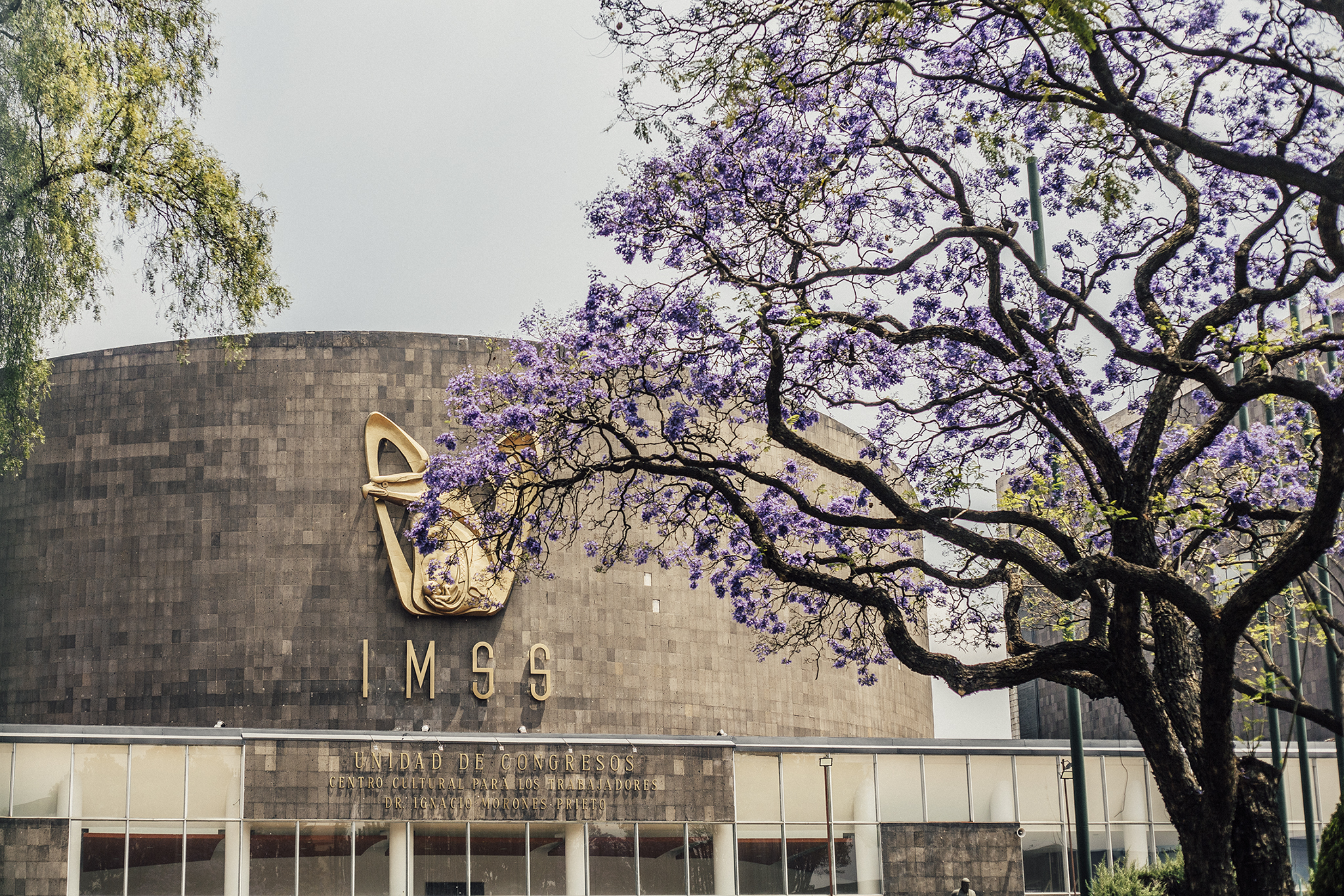
But what’s most revealing is what’s missing from the decree. It omits the General Health Council (CSG), a constitutionally mandated authority (Article 73, XVI) whose provisions are binding on all administrative authorities in the country. If the SUS (Universal Health System) were to stem from a CSG agreement, it wouldn’t be a mere programmatic aspiration but a state mandate that neither the IMSS (Mexican Social Security Institute) nor the ISSSTE (Institute for Social Security and Services for State Workers) could circumvent. The CSG reports directly to the President. It’s the master key that the decree failed to use and that remains available to safeguard what is currently a vulnerable promise in the courts.
Nor is there any money. Transitory Article Ten states that “no additional resources will be authorized for healthcare service providers in the current fiscal year (…) or in subsequent years.” Universalizing a system without a budget is not audacious; it is arithmetically impossible.
This isn’t a theoretical risk. During the COVID-19 pandemic, the Mexican Social Security Institute (IMSS) treated more than 350,000 people without social security coverage, promising reimbursement. Six years later, the bill of between 3 and 5 billion pesos remains unpaid. And the current situation exacerbates the problem: the IMSS’s Sickness and Maternity Insurance program is carrying a deficit of over 110 billion pesos; the ISSSTE’s program has accumulated a deficit of 15 billion pesos. It’s like asking someone to pay the bill at the next table when they can’t pay their own.
A project that President Claudia Sheinbaum Pardo has described as historic deserves more than twelve escape clauses and a transitional provision that denies it funding.
None of this means that the SUS should be discarded. On the contrary: it means it should be taken more seriously. A project that President Claudia Sheinbaum Pardo has described as historic deserves more than twelve escape clauses and a transitional provision that denies it funding.
It requires amendments to the laws governing the Mexican Social Security Institute (IMSS), the Institute for Social Security and Services for State Workers (ISSSTE), and the Ministry of Health, not just a decree. It requires a real compensation fund, not a promise of future reconciliation. It requires that the General Health Council assume the binding authority that the Ministry of Health cannot exercise over autonomous bodies. And above all, it requires a tax reform that provides the necessary resources to support what is currently only supported by words.
A right that is born with twelve locks and no budget is not a right. It’s a waiting room with a new name.
-
Mexico’s Proposed Universal Healthcare System Promises Zero Rejections, But Twelve Massive Exceptions
April 23, 2026April 23, 2026
Universalizing a healthcare system without a budget is not audacious; it is arithmetically impossible.
-

People’s Mañanera April 23
April 23, 2026April 23, 2026
President Sheinbaum’s daily press conference, with comments on dead CIA agents in Chihuahua, relations with the US, meeting with UN High Commissioner for Human Rights and public purchase of the Suburban Train.
-
Volkswagen México Has 15 Days to Comply With Rulings on Anti-union Discrimination
April 23, 2026April 23, 2026
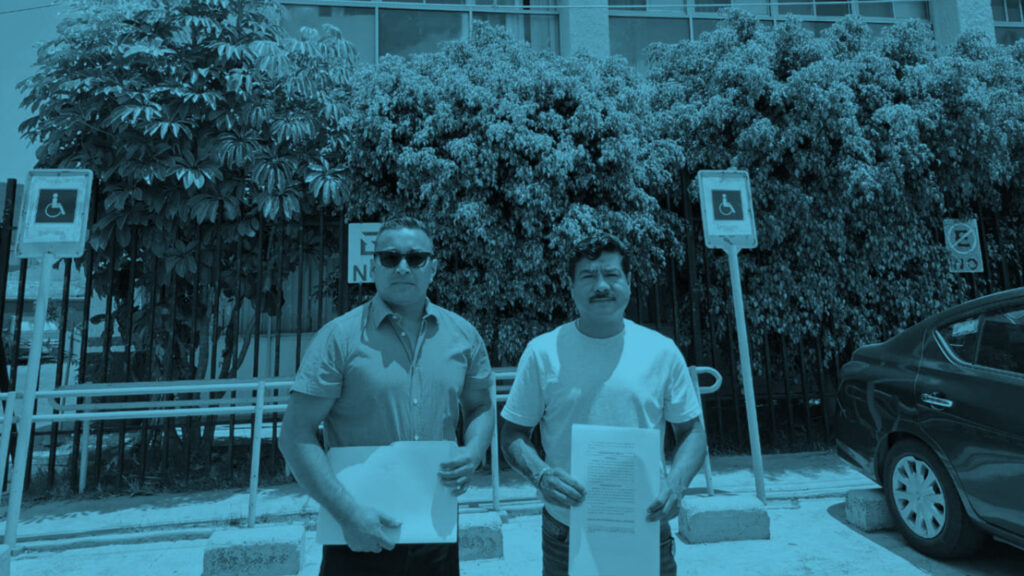
Workers Victor Larios and Vladimir Giron hope to return to their original jobs.
The post Mexico’s Proposed Universal Healthcare System Promises Zero Rejections, But Twelve Massive Exceptions appeared first on Mexico Solidarity Media.
From Mexico Solidarity Media via This RSS Feed.