

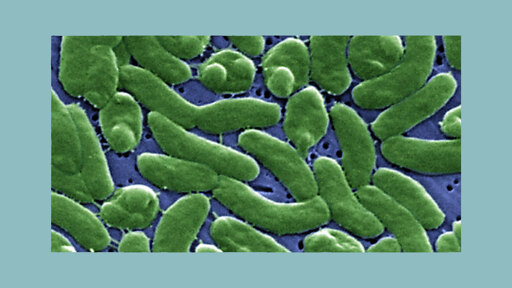
What is Vibrio?
Vibrio is a type of bacteria that has been around for hundreds of millions of years; researchers have identified more than 70 species. These species are mostly harmless, but some can cause infection. The bacteria thrive in warm, brackish (slightly salty) water such as estuaries and bays, attaching themselves to plankton and algae and accumulating in prolific water-filtering species like clams and oysters. Serious infections typically happen either through exposure to an open wound in saltwater or, more rarely, ingestion of raw shellfish that contain the bacteria.
The concentration of Vibrio in coastal waterways is higher from May through October, when temperatures are warmer. Most U.S. cases are in the Gulf and Atlantic coastal regions. Vibrio is tasteless and odorless. The Centers for Disease Control and Prevention, or CDC, estimates that about 80,000 cases of vibriosis (an infection caused by the Vibrio bacteria) occur in the U.S. every year, resulting in about 100 deaths. Florida has the highest number of cases, with about 20 percent reported from the Indian River Lagoon region, a popular recreation destination on the Atlantic Coast.
Read Next
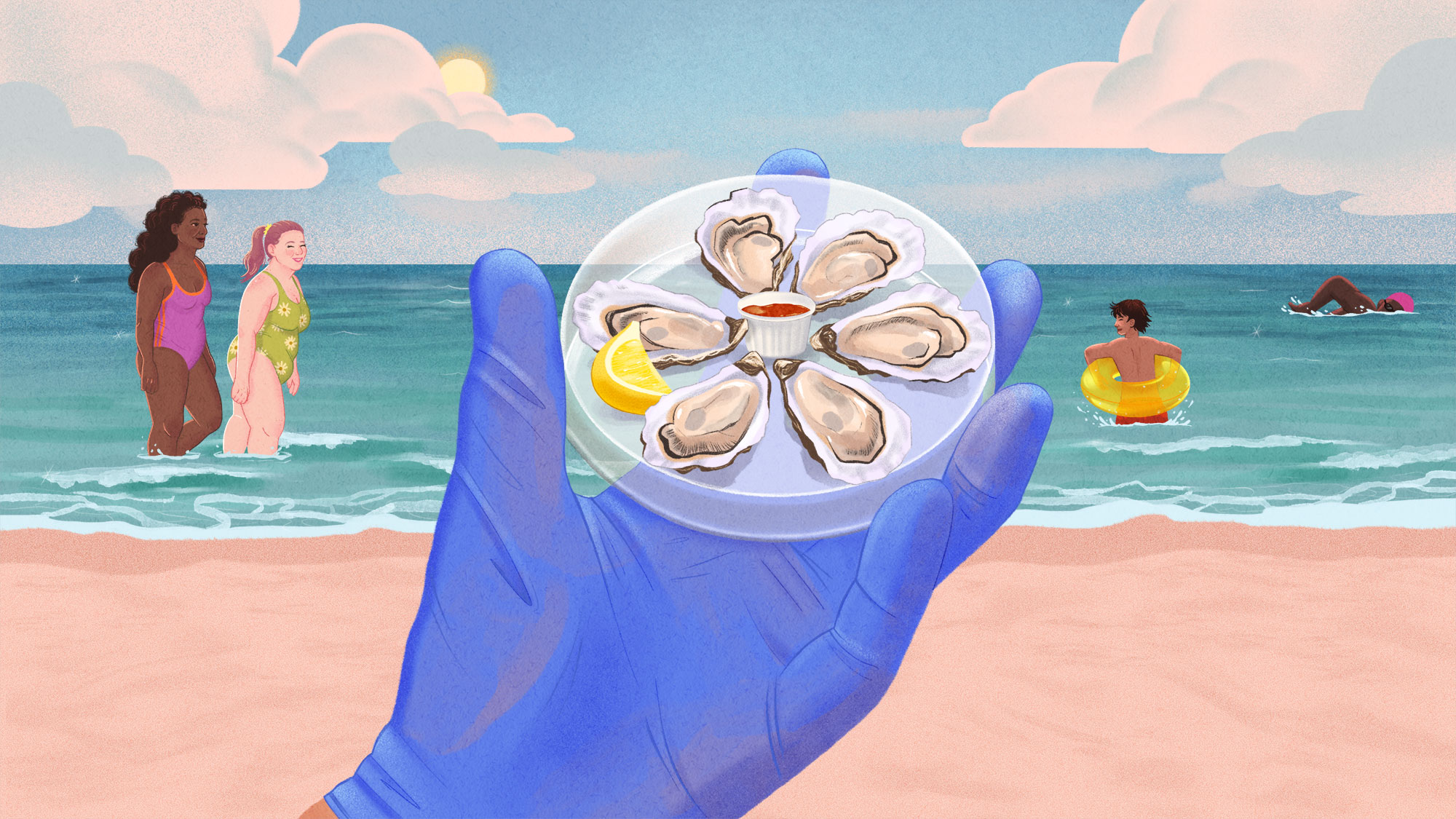
A deadly bacteria is creeping up the Atlantic Coast. How worried should you be?
What happens if you come into contact with Vibrio?
Most people are not at risk of developing illness, or they may have only mild symptoms. However, those with compromised immune systems can develop life-threatening infections.
The majority of the 80,000 annual U.S. cases are caused by a Vibrio called parahaemolyticus, which most often infects people via the raw seafood they eat and usually leads to gastroenteritis, or food poisoning*.* Symptoms may include nausea, vomiting, diarrhea, stomach cramps, fever and chills, weakness, fatigue, and headache.
A different type of Vibrio, vulnificus*,* is much less common, but can cause severe illness. The infected wound may be red, swollen, and painful, or you may develop mild gastrointestinal issues such as watery diarrhea, stomach cramps, or vomiting. Symptoms typically appear within 12 to 24 hours and can last up to seven days. Healthy people tend to fight off the infection on their own. But if flesh on one or more extremities to bruise, swell, and decay, or symptoms of sepsis occur, it is a medical emergency. Vulnificus can squeeze through a pinhole-sized cut in the skin and lead to death in just 24 hours. This severe infection is rare, but it has a 15 to 50 percent fatality rate; the vast majority of the 100 annual deaths are from this strain. A severe vulnificus infection is much more likely in people who have liver disease or are immunocompromised, elderly, or diabetic.
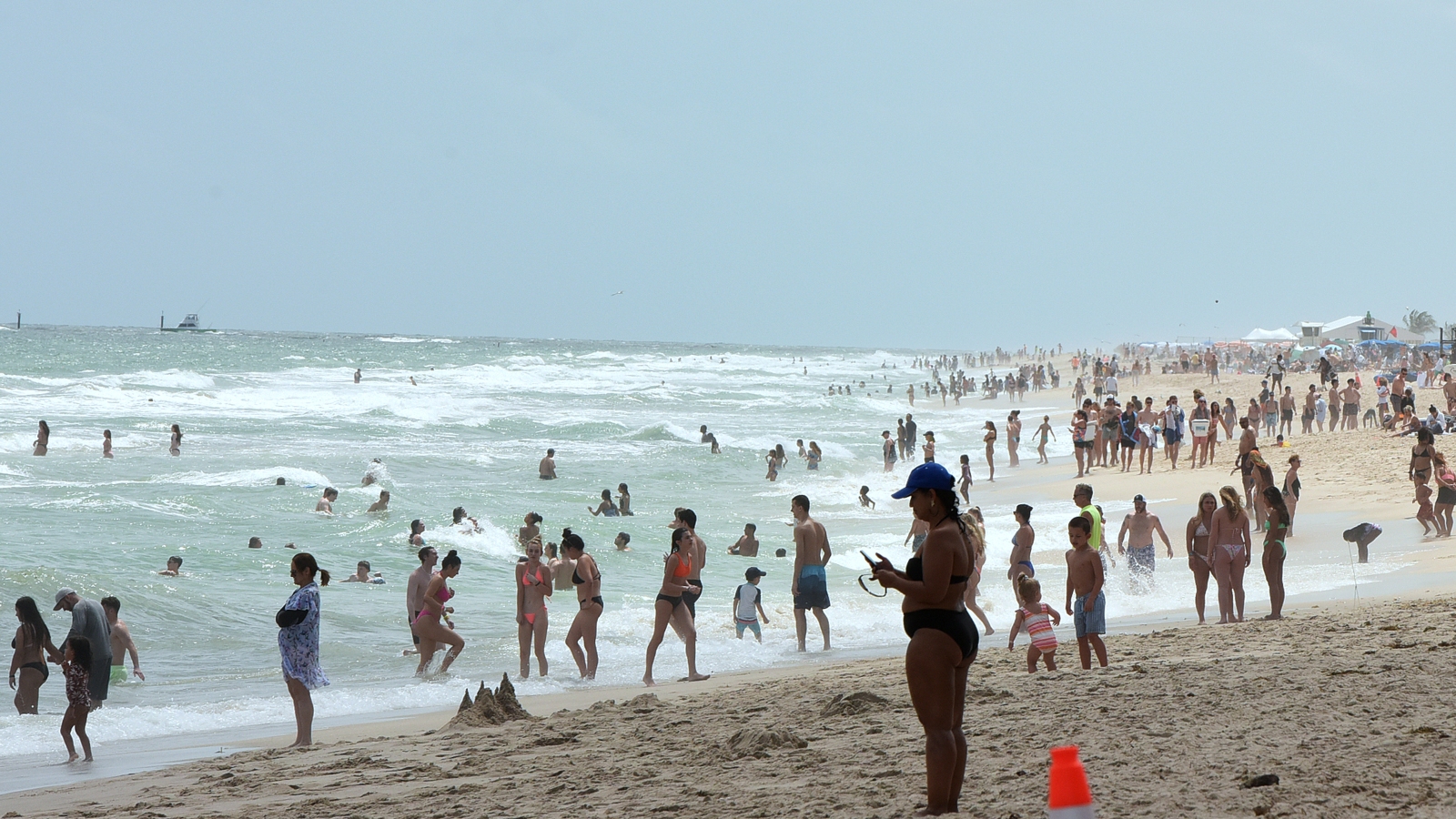
College students and others enjoy spring break in Fort Lauderdale, Florida. Paul Hennessy / SOPA Images / LightRocket / Getty Images
How concerned should I be — and how do I stay safe?
You don’t necessarily need to avoid oyster bars or cancel your beach trip, but you should know how to stay informed and take precautions. Here are a few ways to do so:
- Be aware that there are many fearmongering headlines about flesh-eating bacteria, despite vulnificusbeing one of the rarest forms of Vibrio exposure. Vibrio doesn’t attack random healthy flesh — there must be exposure through an open wound (a break in the skin) or it must be ingested, most often through raw shellfish. People who get sick often have underlying health conditions.
- If you don’t feel well after eating raw seafood or swimming in brackish water, don’t wait — go to the doctor. Some medical professionals, particularly those in areas where the bacteria hasn’t historically infected people, don’t know what vibriosis is. Advocate for yourself — ask for a test.
- If you have liver disease, your risk is much higher than the general population’s. Keep an eye out for public health advisories from state and local health officials and avoid swimming in ocean water with an open wound or consuming raw shellfish in warm months. Note that ocean temperatures, especially along the lower Atlantic and Gulf Coasts, have been elevated outside the typical seasonal range in some recent years.
- Be aware when eating raw shellfish, particularly raw oysters. It’s best to be confident that the shellfish was refrigerated and stored in compliance with government standards. The vast majority of foodborne Vibrio cases lead to food poisoning. (Food poisoning from bacteria is always a risk when eating uncooked shellfish and many other foods like salads or deli meat.)
How is climate change affecting Vibrio?
Climate change is making the world’s oceans, which have absorbed more than 90 percent of the excess heat trapped by greenhouse gas emissions, more hospitable to Vibrio. The bacteria start getting active in temperatures above 60 degrees Fahrenheit and multiply rapidly as waters warm throughout the summer. Vibrio is expanding into places that were once too cold to support it, farther north on the U.S. East coast and in other temperate seas around the world. As it spreads, it serves as a first warning signal of changing marine conditions.
What’s being done to address Vibrio?
There’s a lot of research happening to better understand the risks these bacteria pose under changing environmental conditions: A group of microbiologists at the University of Maryland, alongside other scientists, have developed a computer model that can predict how high the risk of vibriosis will be in any given coastal county in the eastern U.S. a month in advance. The team trained its model, which is still under development, by pairing the CDC’s count of Vibrio-related foodborne and waterborne illnesses from 1997 to 2019 with satellite data that measures the conditions that fuel Vibrio growth, such as water temperature and salinity. It’s far from perfect, but it’s improving. And it was especially adept at predicting high-risk counties ahead of hurricanes Helene and Milton in 2024 — more than 80 percent of the vibriosis cases that occurred in Florida in the aftermath of those hurricanes were reported in counties the model had already flagged as high-risk.
This story was originally published by Grist with the headline Know the facts about Vibrio, a bacteria found in coastal waters and raw shellfish on Apr 22, 2026.
From Grist via This RSS Feed.