

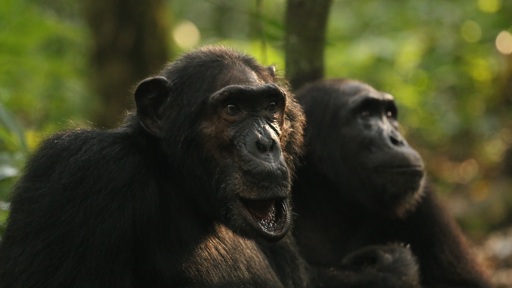
A chimpanzee community in Uganda’s Kibale National Park that split into rival factions later attacked former allies in what researchers are describing as a rare chimpanzee “civil war.” The new study, published in the journal Science, draws on nearly three decades of observations at the Ngogo chimpanzee research site, led by primatologist Aaron A. Sandel of the University of Texas at Austin, in the U.S. He and his colleagues say this is a rare event that may occur only once every 500 years. It’s only been observed once before by humans. Before the split, the Ngogo community was unusually large, with roughly 150 to 200 chimpanzees (Pan troglodytes), making it one of the largest chimp groups ever recorded in the wild. After the rupture, the community divided into two factions, which researchers call the Central and Western groups — named after the areas of forest they occupied. Before the Ngogo chimps divided into two groups, it was one of the largest groups ever recorded: between 150 – 200 animals. Image by Aaron Sandel. Between 2018 and 2024, the Western group carried out 24 attacks on the Central group, killing at least seven adult males and 17 infants. Sandel told Mongabay the conflict is still unfolding and may have lasting consequences for the population. “The Central group is at risk — they have had a dramatic increase in mortality,” Sandel said. “A key question is: How are they going to fight back?” Unlike most primate group fissions, the Ngogo split involved…This article was originally published on Mongabay
From Conservation news via This RSS Feed.