

Dear Leslie,
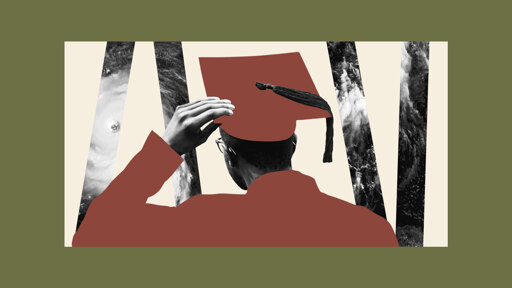
I’m a young adult trying to figure out what I’m doing with my life. It feels really hard to plan for my future given the uncertainty climate change produces, and sometimes I feel like my degree, which I’m passionate about, will be useless “when the apocalypse comes.” How can I plan well for my future when I don’t know what the world will look like in 10 years, let alone 50?
— Scared Student
Dear Scared Student,
You’re asking one of the most significant questions of your generation, and it’s one that I’m hearing more and more from young people who are tuned into the rapid shifts occurring on our planet. Anyone who claims to know exactly what our changing world will look like in 50 years is deceiving themselves. It takes courage to sit with that uncertainty rather than push it away, so let’s start there: Give yourself credit for remaining aware of both the realities and the unknowns.
That said, the word “apocalypse” doesn’t leave a whole lot of room for possibility. It’s hard to believe that anything matters if the end of times is a foregone conclusion. I think it’s worth breaking that down into two inquiries: what might actually happen, and how the uncertainty is affecting your ability to move forward.

Ask a Climate Therapist tackles your questions about how to navigate the emotional side of climate change, with leading climate-aware therapist Leslie Davenport. Have a question? Ask it here!
Serious disruptions are taking place already and are essentially a guarantee — including in whatever field you’re training for. I don’t want to minimize the real fear underlying your question. Planning for a future that feels unstable is a genuine challenge. Let yourself feel the weight of that before reaching for solutions. Whatever our future does hold, we can be certain it will look different from the world we know today — perhaps in some wonderful ways, and likely in some bad. Feeling the loss is part of staying whole — neither turning away from what worries you, nor losing sight of what you can still shape.
But collapsing all of our possible futures into a single worst-case scenario tends to make us freeze, and freezing helps neither us nor the communities and ecosystems depending on our action.
Unfreezing, then, is not about pretending that everything will be fine: It’s about developing a skillful agility that allows you to shift as circumstances change.
The skills, relationships, ways of thinking, and capacity for meaning-making that you cultivate when pursuing work you’re passionate about can translate into a wide range of scenarios. They’re not locked inside a single job title. The question isn’t whether your degree will survive in the future; it’s how you can show up with depth and flexibility and continue to seek out the next useful contribution, both personally and professionally.
More from Ask a Climate Therapist

Ask a Climate Therapist: How can I balance my travel itch with guilt about emissions?
It can help to shift from long-range certainty-seeking to values-based navigation. Instead of asking, “Will this matter in 50 years?” try asking, “What matters to me now, and how can I build a life that honors that?” This is a core insight from acceptance-based approaches to anxiety. When we loosen our grip on specific outcomes and orient ourselves toward what we value, we can become more resilient and sustain our motivation. Values travel with us, and they’re what allow us to keep pivoting as circumstances change.
No one can plan for a fixed future. Such a thing doesn’t exist. You’re developing yourself and your work in a very dynamic world that will challenge you to use your creative power as you pursue your goals. Your passion isn’t a liability. Today and in the future, whatever transpires, the paramount need is for people who care deeply.
With you in this,
Leslie
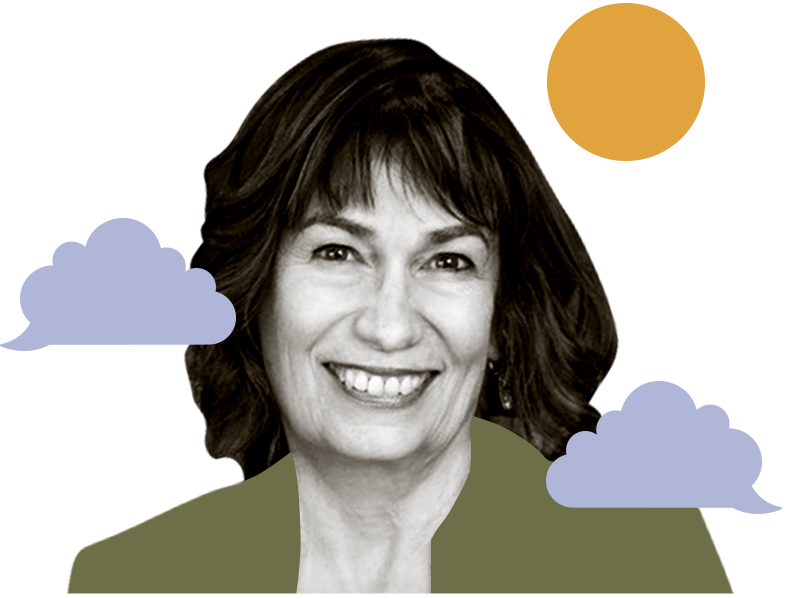
I’m Leslie Davenport, a licensed therapist, educator, speaker, consultant, and internationally recognized voice on the emotional and psychological dimensions of climate change. If you’ve got a question about climate and mental health, please submit it here for a future column.
This story was originally published by Grist with the headline Ask a Climate Therapist: Why should I plan for my future when I feel we don’t have one? on Apr 17, 2026.
From Grist via This RSS Feed.