

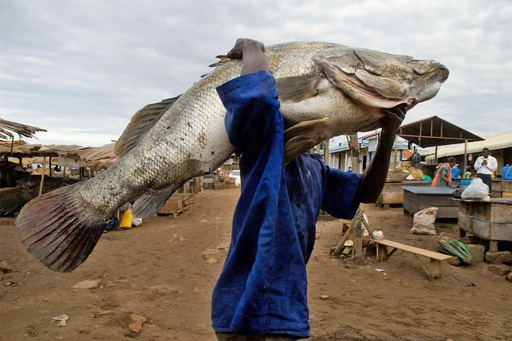
From fish and turtles, to hippos and crocodiles, about 43% of all known large freshwater animal species have been deliberately introduced into ecosystems outside their native ranges, a recent study finds. Most species were introduced to boost fisheries, food security or tourism, but many have had unintended consequences for local wildlife, habitats and people. Fengzhi He, the study’s co-author, told Mongabay this research stemmed from his earlier work documenting where large freshwater animal species, weighing more than 30 kilograms (66 pounds), occur globally. He noticed many were present outside their native ranges. “I realized the complex interactions between alien freshwater megafauna and people and started this project together with our colleagues,” said He, a freshwater ecologist at the Chinese Academy of Sciences’ Northeast Institute of Geography and Agroecology. Of the 216 known large freshwater animal species, 93 have been introduced in rivers, wetlands and lakes outside their native ranges, the study found. These introductions span 142 countries and regions. Most introductions were to improve fisheries and aquaculture. For example, large fish like common carp (Cyprinus carpio) have been introduced to more than 100 countries, while African catfish (Clarias gariepinus) are now in more than 30 countries. “Their introductions have been documented for many years in some regions and have become an important part of local aquaculture,” He said. Species like the Siamese crocodile (Crocodylus siamensis), Nile crocodile (Crocodylus niloticus) and spectacled caiman (Caiman crocodilus) have been introduced in China for leather farming. Certain turtles, river stingrays, crocodilians and large fishes…This article was originally published on Mongabay
From Conservation news via This RSS Feed.