

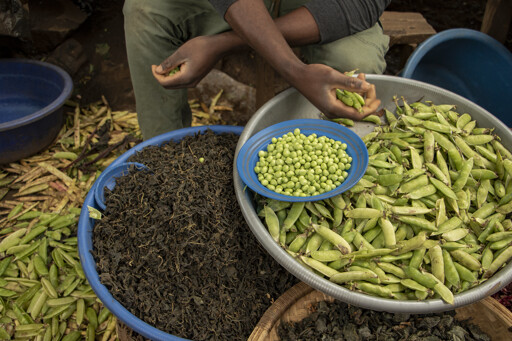
In early mornings across rural Kenya, as the long rains approach, farmers are already at work. Fields are being cleared, seeds checked, and planting plans quietly rehearsed. But this year, alongside the usual uncertainties about soil quality, rain and pests, there is a more pressing question: will there be enough fertilizer, and will it be affordable? Reports from the Middle East echo through their favorite radio stations as they wonder about the war’s effect on their lives. As tensions disrupt food, fuel and fertilizer flows through the Strait of Hormuz — a key artery for global exports and imports into Iran — Africa’s dependence on imported synthetic inputs is once again exposed. For many countries, from 20% to more than 50% of fertilizer supplies originate from Persian Gulf nations. Besides the production of fertilizer, fossil fuels are also crucial for driving farming machinery such as tractors, irrigation pumps, and of course vehicles that transport food from farms to markets. Africa is aware of her vulnerability as a result of the war in Iran and the previous disruptions from COVID-19 and the war in Ukraine, which have triggered policy and economic consequences. Frameworks such as the Africa Fertilizer and Soil Health Action Plan 2024-2034 aim to reduce reliance on imports by fostering local production. Currently, the Dangote Group, which operates Africa’s largest chemical fertilizer manufacturing complex, based in Nigeria, plans to triple its production to 9 million metric tons per annum. The group is also starting the construction of a $2…This article was originally published on Mongabay
From Conservation news via This RSS Feed.