

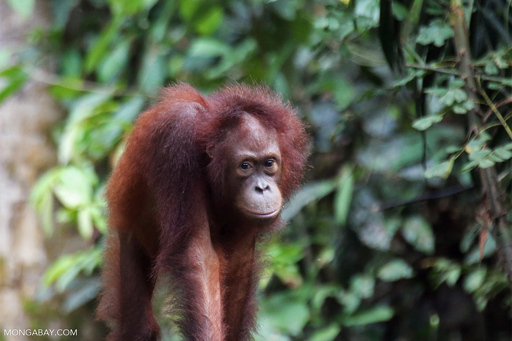
In Kapuas Hulu district in Indonesia’s West Kalimantan province, a pilot program is attempting to change how people living in Borneo perceive and engage with wildlife and wildlife conservation. KehatiKu, a play on the Indonesian words for “my heart” or “biodiversity,” was the brainchild of , a scientific consultancy company, says biologist Erik Meijaard, the consultancy’s managing director. Under the program, citizen observers are offered small payments for recording and reporting wildlife sightings, collecting around 175,000 records in around a year of operations. In a video interview, Meijaard says the project came about because he was frustrated with inefficiency in conservation. In 2022, Meijaard worked on a study analyzing 20 years of efforts to save orangutans. The study found that from 2000-19, nearly $1 billion was spent on orangutan conservation worldwide, even as around 100,000 orangutans were lost. By offering small payments directly to residents, Meijaard says KehatiKu has shown concrete successes at a fraction of the cost of normal conservation. Photograph of a Bornean orangutan (Pongo pygmaeus) submitted by a KehatiKu citizen observer. Participants can earn Rp. 100,000 (about $5.84) for finding and photographing orangutans. Image courtesy of Borneo Futures. He estimates the program is spending less than $1 per hectare (2.5 acres) per year across the 200,000 hectares (494,210 acres) they are studying. For that money, they are both building community engagement and getting real-time data on multiple species ranging from common birds to rare and endangered species such as the flat-headed cat (Prionailurus planiceps), Rhinoceros hornbill (Buceros…This article was originally published on Mongabay
From Conservation news via This RSS Feed.