

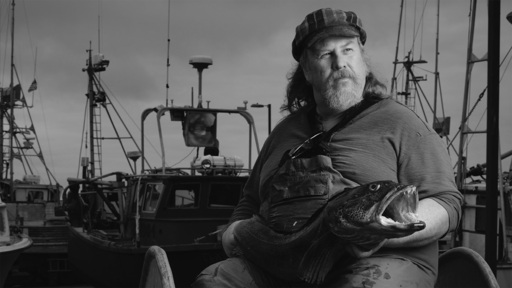
Along a stretch of the Oregon coast where the Pacific meets an exposed working waterfront, fishing has long been shaped by constraint. Port Orford lacks the shelter of a bay. Boats are lifted in and out of the water by crane, and the fleet is limited to smaller vessels that work close to shore. Those limits have defined both the economics of fishing and the character of the community. The pressures facing such places have accumulated over time. Declines in some fisheries, shifting regulations, and rising costs have narrowed margins for small operators. Entry into the industry has become more difficult, as access to permits and quotas has tightened. In response, fishermen in Port Orford have experimented with ways to retain more control over their catch, linking how fish are harvested to how they are sold and understood by consumers. Aaron Longton was part of that response. He died in January aged 64. He came to commercial fishing later than many, having worked in other trades before buying a modest boat and a permit for a few thousand dollars. From that starting point, he built a career through persistence. Fishing, as he often noted, was not only physical labor but a form of applied observation: understanding currents, habitats, and behavior well enough to anticipate where fish might be found and how stocks might change over time. Longton worked out of Port Orford, a port whose constraints shaped its culture. Limited to small vessels and hook-and-line methods, its fleet operated…This article was originally published on Mongabay
From Conservation news via This RSS Feed.