

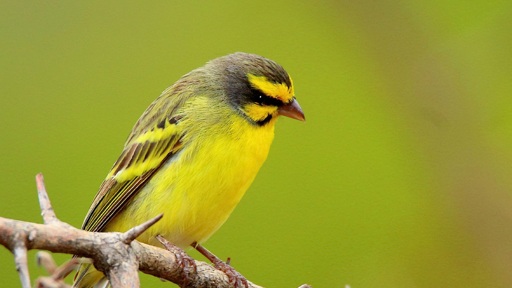
Worldwide, people buy and hunt nearly half of the 11,000 bird species in existence. In Asia, Europe, and North and South America, songbirds and parrots are highly desired pets. Collectors pay exorbitant sums for rare species or melodious birds to compete in high-stakes singing competitions. Falconers and sport hunters capture or kill raptors. Belief-based rituals in West Africa incorporate vulture parts. Buyers in North America seek dead hornbills and hummingbirds as home décor. The list goes on. This massive commerce threatens more than 200 avian species with extinction. Now, as online marketplaces proliferate, customers can order a bird with a swipe on their phone from anywhere on the planet. Moving birds around the world also spreads deadly diseases, from avian influenza to circovirus, and when non-native birds get loose, they may proliferate, outcompeting residents. “There’s a lack of awareness and appreciation for the scale of this trade, and little attention on the impacts that this could be having on wild populations or the risks for the spread of invasive species and infectious diseases,” said Rowan Martin, director of bird trade at the nonprofit World Parrot Trust. “If people are not aware that this is even happening, then how are we going to be able to mitigate the risks associated with it?” In an attempt to understand the scale of the live bird trade, Martin and his colleagues used records from U.N. Comtrade, a database that aggregates information on all commodities traded between countries. The team analyzed live bird imports into…This article was originally published on Mongabay
From Conservation news via This RSS Feed.