

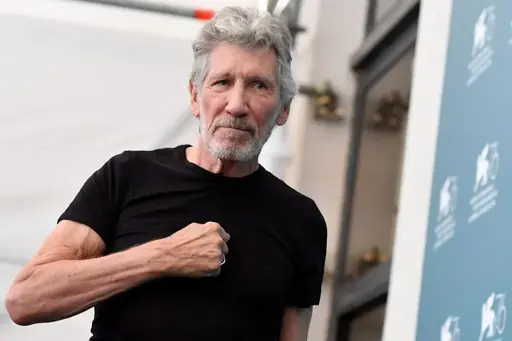
Roger Waters chose April 13 to stage a protest outside the Metropolitan Detention Center in Brooklyn, demanding the release of Venezuelan President Nicolás Maduro and First Lady Cilia Flores. The date was not chosen at random, as that same Monday, Venezuela commemorated National Dignity Day, marking 24 years since the defeat of the coup attempt against Commander Hugo Chávez, which was reversed by masses of Chávez supporters descending on the seat of the presidency in Caracas and demanding the return of their duly elected president.
The co-founder of Pink Floyd, who has consistently expressed his criticism of the Western imperialist order, joined the protest organized by Venezuela Solidarity Network, Workers World Party, Brooklyn Against War, and Bronx Antiwar and spoke in front of the walls of the federal prison where the Trump regime has imprisoned the Venezuelan president prisoner since January 3.
“Free Maduro! Free Maduro! Free the leaders!” Waters said at the start of his speech. He then pointed directly at the building: “President Maduro, the president of Venezuela, is locked in that building along with Cilia Flores. That is a tragedy and a grave mistake. That is why we are here today, protesting their imprisonment. Free Maduro now!”
The fact that the protest in front of the MDC took place precisely on April 13 imbued the action with a symbolic weight that the organizers did not overlook. In 2002, on that day, the Venezuelan people took to the streets and thwarted the media and business coup that had removed Commander Hugo Chávez from power for less than 48 hours. Venezuela commemorates it every year as National Dignity Day, and in 2026, it did so with a massive national march while, thousands of miles away, US activists and a progressive rock icon demanded the president’s return to his country.
Since January 3, when US imperialism launched a bloody military attack against Venezuela and abducted the presidential couple, grassroots organizations have maintained a constant presence in front of the MDC, denouncing the action as an act of political persecution and demanding the release of both through letters, rallies, and mobilizations.
(Telesur)
Translation: Orinoco Tribune
OT/JRE/SL
From Orinoco Tribune via This RSS Feed.