

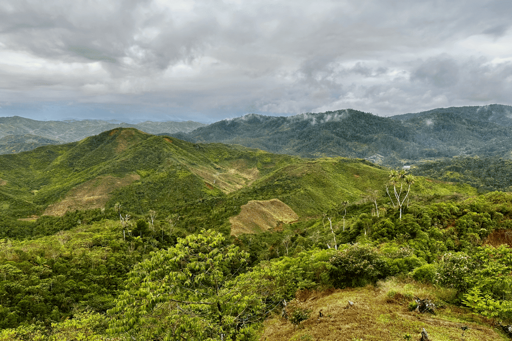
In eastern Madagascar, Andasibe-Mantadia National Park and the Analamazoatra Special Reserve shelter around a dozen species of lemurs, alongside an extraordinary array of animals and plants, many of which are found nowhere else on Earth. Once connected by continuous rainforest, the landscape was fractured in the 1960s, when large stretches were cleared for agriculture and cattle pasture. What remained was a patchwork of forest fragments separated by degraded land, limiting wildlife movement and threatening biodiversity. Today, a coalition of researchers, conservationists and local communities is working to reverse that fragmentation by rebuilding a forest corridor from the ground up. The reforestation corridor connecting Andasibe-Mantadia and Analamazoatra, launched in 2023, aims to restore 150 hectares (370 acres) of native forest and reconnect these two critical habitats. Led by the Mad Dog Initiative (MDI), a Madagascar-based wildlife conservation NGO, in partnership with The Dr. Abigail Ross Foundation for Applied Conservation (TDARFAC, a nonprofit conservation organization focused on Madagascar), Association Mitsinjo and Ecovision Village, the project represents a unique convergence of science, private investment and community action. It began not with a grand plan, but with an exchange of ideas and a shared commitment. As Kim Valenta of MDI recalled, she first recognized the physical disconnect between these two protected areas in 2017, while leading sterilization and vaccination campaigns to limit the impacts of free-roaming pets on wildlife in the region. She then met others who were also committed to restoring the broken landscape. “We looked at some maps, and shortly after I…This article was originally published on Mongabay
From Conservation news via This RSS Feed.