

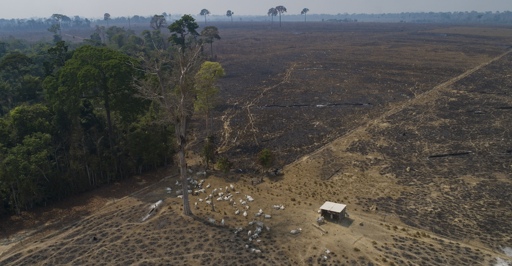
Some companies have made headway toward removing deforestation from their supply chains in the last year, in preparation for the European Union Deforestation Regulation (EUDR), according to a new report by the NGO Global Canopy. This shows that the upcoming regulation is driving some progress despite an unfavorable global climate for environmental commitments. The Forest 500 Report 2026 examined the corporate commitments on deforestation, land conversion and human rights of the 500 companies with most influence over nine commodities linked to deforestation and covered by the EUDR: beef, cocoa, coffee, leather, palm, pulp and paper, rubber, soy and timber. It found that more than a quarter of companies reported new forms of implementation action in 2025, and 14% specifically mentioned the EUDR in documents about deforestation commitments. Forest 500 is based on public documents, and more companies could be making decisions based on the EUDR in private, the report notes. The EUDR is due to take effect Dec. 30 this year after several delays. “The EUDR is the main focus of this report. The key takeaway is that it’s working, it’s appearing in lots of company reporting, with 68 companies in our assessment citing it in regard to deforestation commitments, especially with traceability,” said Chloe Rollscane, a research associate at Global Canopy. “Even though [the EUDR] is not in place yet, it’s obvious that companies are getting ready for it.” These companies include producers and processors in source countries, as well as traders and retailers in the EU, Rollscane told…This article was originally published on Mongabay
From Conservation news via This RSS Feed.