

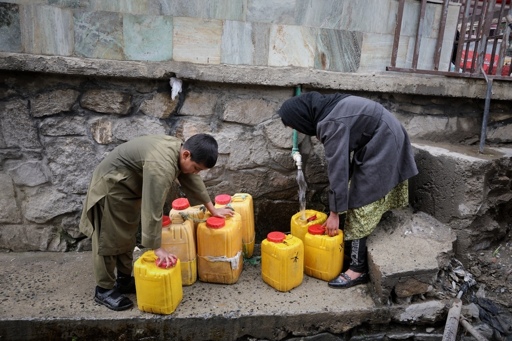
KABUL, Afghanistan (AP) — Nestled in a high-altitude valley in Afghanistan’s Hindu Kush mountain range, Kabul is rapidly running out of water. Experts say climate change has played its part, but so has massive population growth and resource mismanagement. Many people, particularly in the poorer areas of the Afghan capital, are left struggling to cope. They have to buy clean drinking water and collect brackish water from communal taps, carrying it to their homes. The Taliban government says it has implemented a series of measures to tackle the growing crisis. But two major projects that would significantly contribute to a solution have been delayed. By Elena Becatoros, Associated Press Banner image: A boy and a girl collect water from a hose connected to a well at a mosque in Deh Mazang, Kabul, Afghanistan, Thursday, April 2, 2026. Image by Siddiqullah Alizai via Associated PressThis article was originally published on Mongabay
From Conservation news via This RSS Feed.