

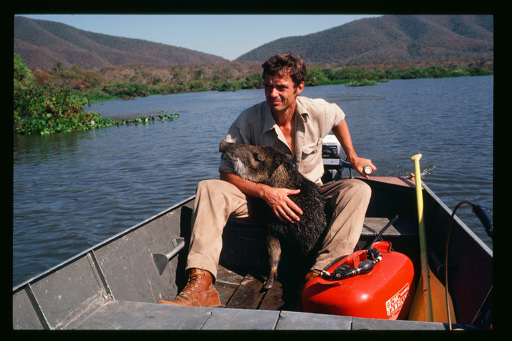
Some lives seem to belong less to a nation or a profession than to a disposition. George B. Schaller’s was one of them. He belonged, above all, to animals—gorillas, lions, tigers, snow leopards, pandas—and to the landscapes that still made room for them. In Homesick for a World Unknown: The Life of George B. Schaller, Miriam Horn attempts something both straightforward and unusually difficult: to write a full biography of a man who spent most of his life turning his attention away from himself. Schaller is not obscure. He is widely regarded as the most important field biologist of the twentieth century, a figure whose work reshaped zoology, conservation biology, and the way humans think about animal lives. Yet he remains oddly resistant to biography. He disliked introspection, avoided publicity, and wrote sparingly about his own emotions even when describing moments of extreme danger or revelation. Horn’s achievement is to take this reticence seriously rather than try to overcome it. The result is a book that is expansive without being intrusive, admiring without being reverential, and alert to ambiguity even when recounting an extraordinary career. The arc of Schaller’s life has the shape of an adventure story, though Horn is careful not to write one. Born in Berlin in 1933 to an American mother and a German diplomat father, Schaller’s early years were marked by displacement, war, and a persistent sense of not quite belonging. His childhood moved across Nazi Germany, occupied Europe, and eventually the United States. These experiences…This article was originally published on Mongabay
From Conservation news via This RSS Feed.