

Drop Site is a reader-funded, independent news outlet. Without your support, we can’t operate. Please consider becoming a paid subscriber or making a 501©(3) tax-deductible donation today.
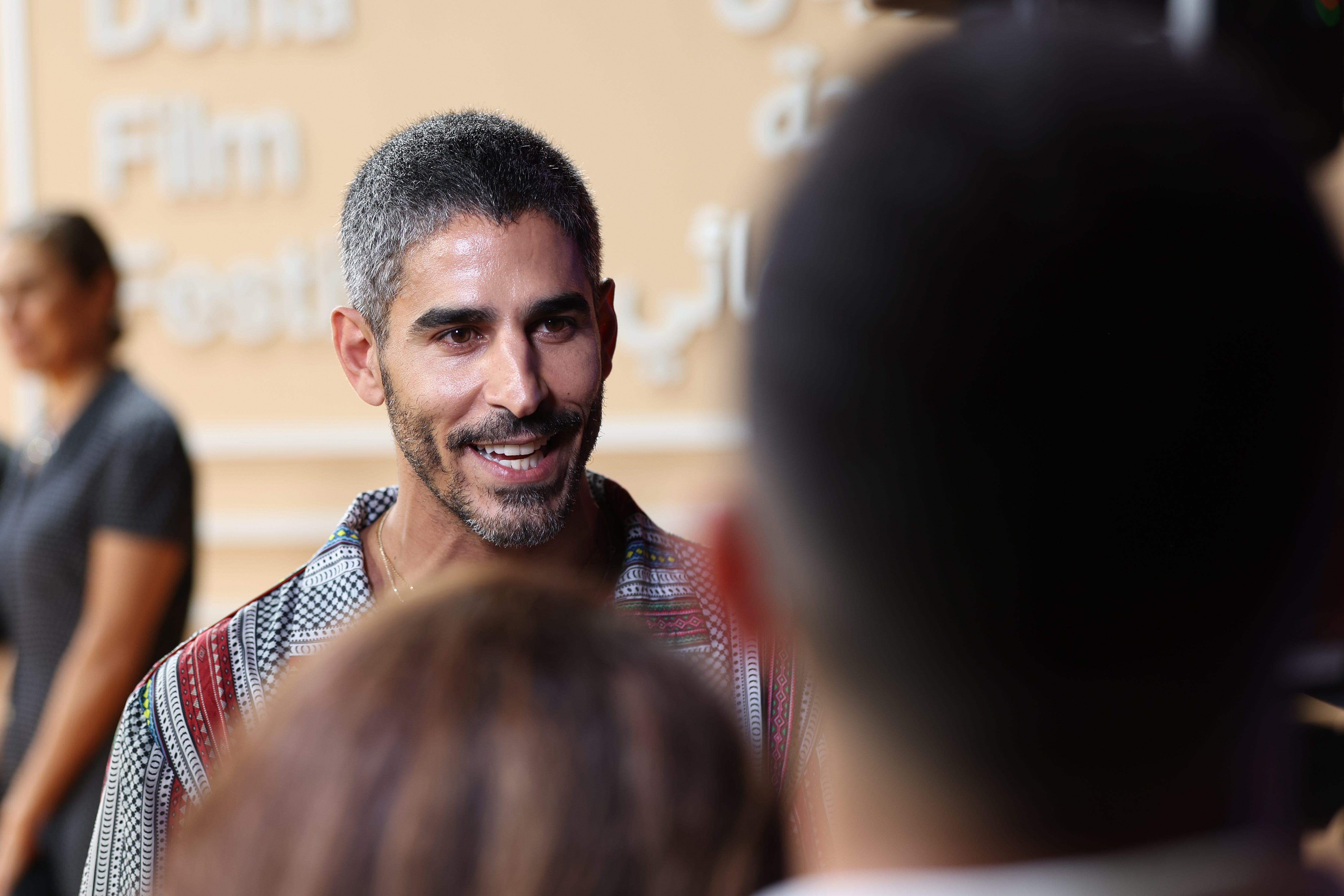
Ahmed Shihab‑Eldin attends the Opening Night during the Doha Film Festival 2025 on November 20, 2025 in Doha, Qatar. Photo by John Phillips/Getty Images for Doha Film Festival.
Prominent journalist Ahmed Shihab-Eldin was arrested six weeks ago in Kuwait where he remains in detention and faces prosecution in a special tribunal over social media posts related to the Iran war. His detention comes as part of a wider crackdown on online speech in Kuwait and other Gulf countries during the U.S.-Israeli war with Iran that has engulfed the region.
Shihab-Eldin, 41, an American born Kuwaiti citizen, is an award-winning journalist with more than two million followers across social media platforms. He has worked with PBS Frontline, The New York Times, Al Jazeera English, Vice on HBO, The Huffington Post, and has appeared as a guest major news outlets, including BBC, CNN, NBC and MSNBC.
“We are seeing escalating censorship of journalists and news outlets across the world in relation to the Iran war, including in the Gulf. National security is being used as a pretext to crack down on freedom of speech and Shihab-Eldin’s detention is emblematic of that. He must be freed immediately,” Sara Qudah, the Regional Director for the Middle East North Africa, said in an emailed statement.
Shihab-Eldin was arrested on March 3 in Kuwait City and has remained in prison since then with limited access to his lawyer. There has been little transparency around his case, but the charges he faces are reported to be related to his social media posts, including a video showing a U.S. fighter jet crash near a U.S. air base in Kuwait, according to the Committee to Protect Journalists, which stressed that the videos and images he shared had been publicly available. The charges Shihab-Eldin faces may include allegations of spreading false information, harming national security, and misuse of a mobile phone.
After the Iran war began, Kuwait’s Information Ministry published a list of strict “guidelines” for media coverage, which included a ban on publishing or circulating “rumors, unverified news, or misleading information” or “any content that insults brotherly or friendly countries or that could harm Kuwait’s foreign relations.”
Shihab-Eldin is reportedly being prosecuted by a new specialized court overseeing crimes involving state security and terrorism set up by official decree by Kuwaiti authorities on March 31. The courts were established to “resolve cases with high speed,” and the Kuwaiti government claimed they were “necessary due to the extreme danger terrorism poses to national stability and peace,” according to Kuwaiti newspaper Al-Wasat.
In Kuwait, Shihab-Eldin is one of dozens of people who have been arbitrarily arrested since the war began, according to the Gulf Center for Human Rights (GCHR). Other prominent figures detained, reportedly following social media posts, include activists Farrah Alsaqqaf and Suad Al-Munayes, according to HuMENA, a human rights group. They remain in custody without access to legal counsel and without being clearly informed of the legal basis for their detention.
On Kuwait, the GCHR said in a statement it has “received credible reports from various local sources confirming that the State Security Apparatus has carried out dozens of arbitrary arrests of citizens who peacefully expressed their opinions on social media.” It added, “most of those arrested were being held in secret State Security prisons for several days, during which they are denied contact with their families or lawyers, which is a commonly used tool to intimidate them. They were then referred to the Public Prosecution and detained in the Central Prison, after arrest warrants were issued against them for 21 days pending the completion of investigations.”
“Most governments in the Gulf region and neighboring countries, exploiting the current war, are intensifying their systematic repression to suppress public freedoms, including freedom of expression online and offline,” GCHR said.
Last week, authorities in the United Arab Emirates said police had detained 375 people across Abu Dhabi alone over the course of the war for filming and “disseminating false information” on social media.
Shihab-Eldin is a graduate of Columbia Journalism School where he has also taught as an adjunct lecturer. His journalism has earned him a British Journalism Award, an Amnesty International Media Award for Digital Creativity, and an Amnesty International Human Rights Defender Award.
From Drop Site News via This RSS Feed.