

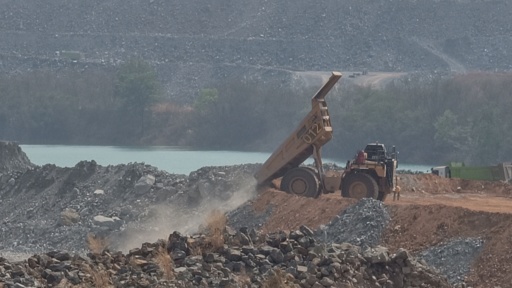
In a landmark verdict, the Bangkok Civil Court last month held the operator of a gold mine liable for environmental and health damages, ordering it to compensate nearly 400 villagers. But the company is appealing against the ruling, which will likely delay payouts and prolong a decade-long legal fight, reports contributor Kannikar Petchkaew for Mongabay. The case against Akara Resources Plc, operator of the Chatree gold mine, is Thailand’s first environmental class action lawsuit, enabled by a 2015 legal amendment. It was filed in 2016 by affected residents in Phichit and Phetchabun provinces, in central Thailand, where the Chatree mine, the country’s largest gold mine, is located. The court recognized that for more than 10 years, residents suffered from elevated levels of heavy metals such as manganese and cyanide in their blood, alongside chronic health issues like skin disease, linked to mining operations. The court further said that Akara Resources had failed to prove the contamination was unrelated to its mining operations, and ruled the company was liable for the environmental damage and health impacts. The court mandated direct compensation of $2,300 to $7,200 per person, plus small medical expenses. It also ruled that Akara Resources must shut down a leaking facility holding mining sludge, and bear the full cost of environmental rehabilitation. Both Akara Resources and its Australian parent company, Kingsgate Consolidated, are appealing the ruling, citing “inconclusive evidence.” This move effectively freezes any compensation for the foreseeable future. Advocacy groups like the Manushya Foundation argue the court-ordered amounts…This article was originally published on Mongabay
From Conservation news via This RSS Feed.