

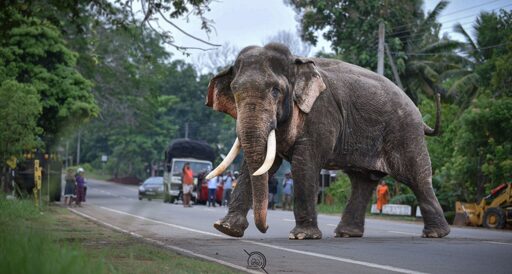
“Let us stop talking about human-wildlife conflict. Some of us live with this reality and we pay a heavy price for sharing space with wildlife.” The remark was made by a community leader at the 2023 Community-led Conservation Congress in Namibia. It was not framed as a critique of conservation policy so much as a correction to how it is described. The phrase “human-wildlife conflict” appears frequently in reports and strategies, often as a category that can be measured and managed. For those living closest to wildlife, the experience it refers to is less abstract and less contained. “Have you ever seen how an elephant kills a person?” the same speaker asked. What followed was a detailed account of a fatal encounter during a routine trip to collect firewood: the animal catching up to a woman as she ran, throwing her, and then crushing her body. The description is difficult to read. It is also part of what is being described when conflict is reduced to a term. Elsewhere, the cost is expressed in more tangible terms, as recounted by Kendi Borona in a commentary published on Mongabay last September. A farmer in East Africa described taking out a loan to shift from pastoralism to agriculture after repeated livestock losses. He leased land, planted tomatoes, and paid someone to guard the fields through the night. When the crop was ready, heavy rain prevented the vehicle from reaching the farm. During that delay, elephants entered and consumed the harvest. The loss…This article was originally published on Mongabay
From Conservation news via This RSS Feed.