

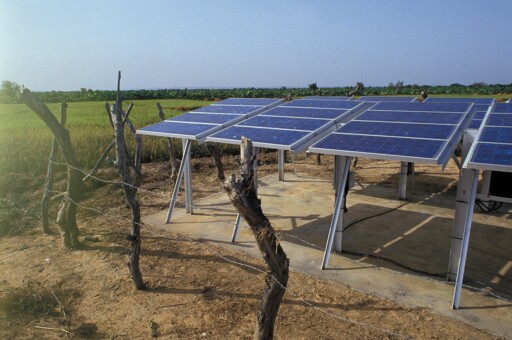
The end of China’s export tax rebates for solar panels and associated equipment could prompt a rush by power developers in African to secure supplies at the previous lower prices. Across Africa, a lack of reliable access to grid electricity is driving the adoption of mini-grids and off-grid solar applications, especially in rural areas. Solar currently accounts for only 3% of electricity generation on the continent, but solar capacity is expanding rapidly, and the end of the 9% value-added tax rebate on Chinese exports of photovoltaic modules, cells and inverters as of April 1 could hasten adoption across Africa. “There’s a big acceleration of people trying to buy panels at the current reduced price with the rebate, which is why you’re seeing many projects rushing to start construction so they can procure panels at a lower cost,” Gerrit Jan Cronselaar, engineering project manager at GameChange Solar, a U.S.-based solar energy company, said at a March webinar organized by the Africa Solar Industry Association (AFSIA), ahead of the end of the rebate. “Over the course of 2026, we are likely to see a wave of projects coming online as a result of this early push.” China is the world’s dominant producer and exporter of solar panels, and African countries depend heavily on the country for solar components. China is also phasing out export tax rebates for batteries, reducing them from 9% to 6% this month. They will be fully eliminated by January 2027. Storage systems including batteries ensure a more reliable…This article was originally published on Mongabay
From Conservation news via This RSS Feed.