

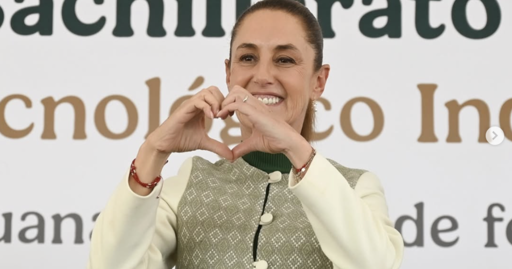
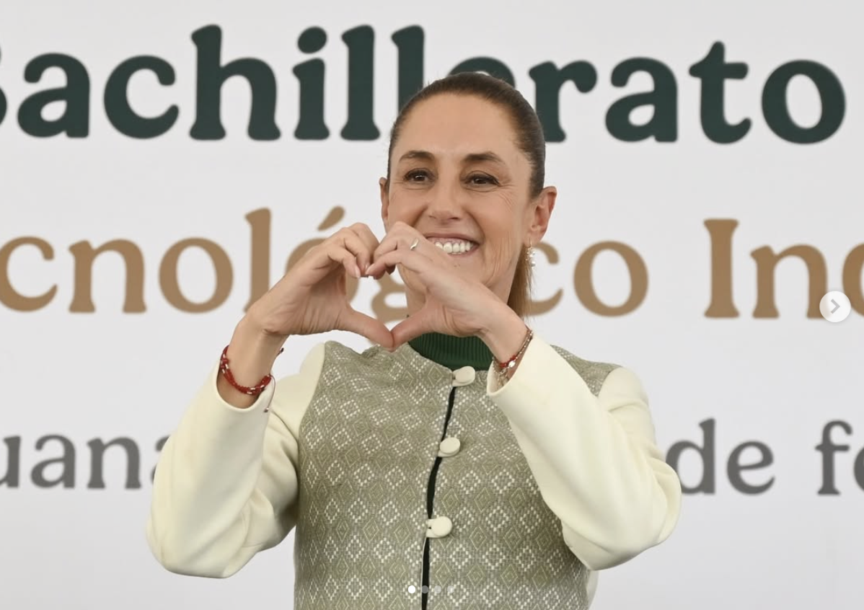
Mexico’s 120 million citizens will begin to enjoy free, universal access to healthcare from next year, following a decree by socialist president Claudia Sheinbaum.
The landmark policy will unify a fragmented and unequal system that has left many unable to receive care at certain hospitals and clinics, forcing them instead to use only what their insurance provider covers.
In theory, Mexico’s sprawling network of public health institutions should provide most people with coverage, but in practice poorer people and those in rural communities often cannot get the medicines or treatment they need without out-of-pocket expenses. Private health insurance, meanwhile, fills the gap, creating a two-tier system based on income.
The first phase of the new universal system will begin on 13 April, with citizens aged 85 and older eligible to register for the ID needed to access care. From January 2027, healthcare institutions will start working together to bridge gaps in access to care.
Since coming to power in 2024, Sheinbaum has sought to undo decades of damage caused by neoliberal policies, building on the work of the previous socialist government. She has pledged to build 1.8m new homes to tackle a housing shortage while strengthening tenants’ rights.
Last year she announced plans to shorten the work week from 48 hours to 40 hours, while increasing the minimum wage by 13%, continuing a policy of regular hikes championed by her predecessor and mentor Andres Manuel Lopez Obrador since 2018.
“For years it was said that the minimum wage couldn’t go up,” she told a conference in December, “that it would cause inflation, that there would no longer be investment in the country, foreign investment.”
Despite that, following a cumulative minimum wage increase of 154% since 2018, “we are at a record level of foreign investment,” she added.
From Novara Media via This RSS Feed.