

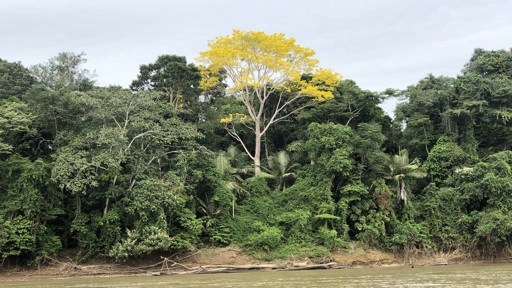
Reports on the health and vitality of the Amazon — often dubbed as Earth’s lungs — have been grim for years. Record drought has stressed large swaths of the world’s largest rainforest. Major Amazon River tributaries, including the Rio Negro and Madeira River, hit their lowest levels in more than a century of measurement in 2024. And experts warn that deforestation and wildfires are tipping parts of the biome from carbon sink to source. Yet in Manaus, a city at the heart of the Brazilian Amazon, forest ecologist Flávia Costa is upbeat as she highlights what appears to be a previously underappreciated underlying Amazon reality: Her research finds that the region’s vast wetlands, or shallow water table areas, have proven to be stubbornly drought resistant through years of intensifying climate change. In fact, her long-term research reveals that palm species and other wetland trees are not just surviving drought seasons, they’re maintaining their health and even adding biomass. That could mean these areas could serve as valuable refugia, as other parts of Amazonia degrade. Significantly, these shallow water table areas compose 36% of Amazonia and have been a crucial part of the evolving rainforest ecosystem for millions of years. Sturdy, resilient palms account for one in five tree species across the Amazon, which includes parts of nine nations, and of which Brazil occupies 60%. These forested wetlands and Costa’s research represent one bright spot in the Amazon’s otherwise gloomy projected trajectory for the 21st century — forecasts built on decades…This article was originally published on Mongabay
From Conservation news via This RSS Feed.