


This story was originally published by Maine Morning Star.
Emma Davis
Maine Morning Star
The Maine Legislature considered two paths to provide the Wabanaki Nations more revenue from gambling in a bid to put them on more equal footing with other federally recognized tribes.
One, which Gov. Janet Mills allowed to become law without her signature, will grant the Wabanaki Nations exclusive rights to operate internet gaming in Maine, starting this summer.
The other bill was rejected by lawmakers last week, with those initially supportive of the measure deciding it wasn’t needed in light of the new iGaming authority.
That bill, LD 1851, sought to create parity among the Wabanaki Nations in how much revenue each tribe is provided from slot machine income in the state, which is currently uneven.
Unlike other federally recognized tribes, the Wabanaki Nations don’t have the right to exclusively regulate and take in revenue from gambling on tribal lands. That’s one of the many implications of a 1980 land settlement agreement that’s made it so they’re treated more akin to municipalities than independent nations.
Because of that, for several years there’s been an arrangement in place between the Oxford Casino and two tribes — the Passamaquoddy Tribe and Penobscot Nation. Oxford Casino pays them 4 percent of its slot revenue, a deal struck when the casino first opened as a way for the Tribes to benefit without pursuing competing gaming.
But the two other Wabanaki tribes — the Houlton Band of Maliseet Indians and the Mi’kmaq Nation — haven’t gotten any of that revenue.
LD 1851 would’ve given them comparable revenue from Hollywood Casino, Hotel and Raceway in Bangor, by diverting some of the revenue that already goes to the state.
“This is something that right now I do not feel comfortable supporting, especially with iGaming being where it is right now,” said Democratic Rep. Laura Supica, who represents Bangor and has supported tribal gaming initiatives in the past, ahead of the committee vote in January.
All but two members of the Veterans and Legal Affairs Committee voted against passage, and both chambers of the Maine Legislature followed suit, rejecting the bill under the hammer without discussion.
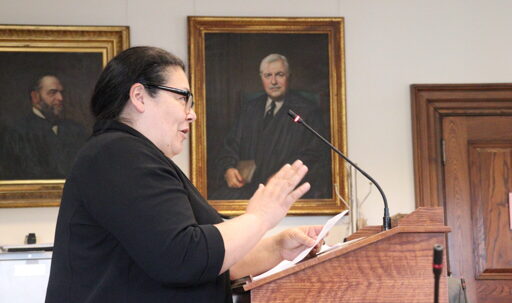
“I think it’s fair if we get iGaming that we’re not asking for casinos to give us a share of their revenue if we’re getting the same sort of revenue,” Chief of the Houlton Band of Maliseet Indians Clarissa Sabattis said during the January meeting.
But it remains to be seen how the iGaming change will work, as that law cannot take effect until 90 days after the Legislature adjourns, which is slated for April 15. But the change builds on another the Legislature made to the settlement act in 2022 that permitted the Tribes to handle sports betting.
“Sports betting is a much smaller market,” Sabattis said. “It has provided some really great revenue for us to be able to supplement historically underfunded programs and really the majority of that money is going back out to the community. For us, that’s our goal, is always to achieve economic independence.”
Along the same vein, she added, “iGaming is a nice economic opportunity. But, it doesn’t solve everything.”
The post Despite Wabanaki authority over iGaming, economic disparities persist appeared first on ICT.
From ICT via This RSS Feed.