

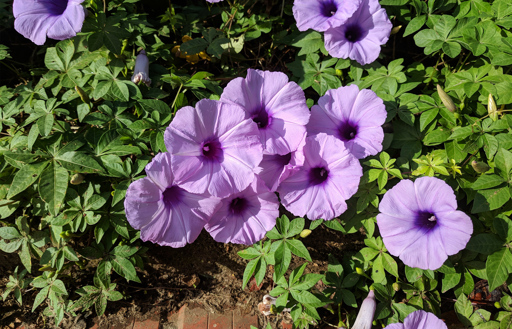
SUMALATA, Indonesia — Following encounters while diving, Gusnar Ismail has long turned to the morning glory plants growing on sandbanks here on the north of Indonesia’s Sulawesi Island. “When I get stung or stabbed by an animal in the sea, I’ll go straight away to look for batata to use as medicine,” Gusnar told Mongabay Indonesia on March 14. Around the world, coastal communities have long self-medicated with what Gusnar calls batata to treat common ailments. The fast-growing batata vine (Ipomoea pes-caprae), commonly known as beach morning glory or bayhops, scrambles across beach dunes, unfurling fuchsia flowers throughout the tropics. Aboriginal societies have gathered the shoots and leaves to treat stings in waters off what is now Australia. In India, the plant is a ceremonial ingredient in countering evil spirits. Researchers from South Korea in a study published in 2022 in the journal Marine Drugs found an array of applications from beach morning glory around the world’s tropical and subtropical coastlines. “The dried leaves of the plant are used to treat arthritis in Nigeria, while the young leaves are boiled in coconut oil to treat sores in Indonesia,” the researchers noted. Beach morning glory is an abundant and resilient vine that carpets tropical beaches around the world. But where coastlines are upended by plantations, sand mining, infrastructure or heavy erosion, the green shoots and purple flowers can disappear from shorelines. “I’ve been observing the disappearance of coastal batata for a long time,” Gusnar told Mongabay Indonesia. Here on the northern…This article was originally published on Mongabay
From Conservation news via This RSS Feed.