

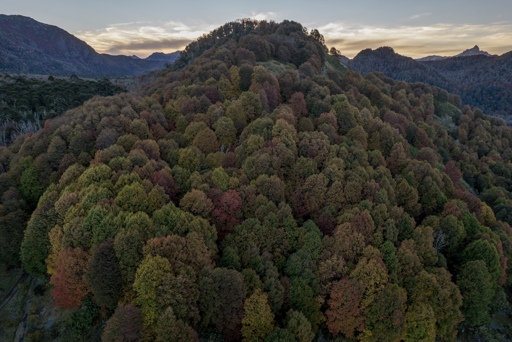
In an isolated valley within Alerce Costero National Park in southern Chile, one tree towers above all others. At 30 meters (100 feet) high, this alerce abuelo or grandpa alerce, is estimated to be more than 2,400 years old. Its massive trunk and branches are covered in lichens, mosses and even other woody plant species that take root in the crevices of its bark. But beneath it, hidden underground, lies another hidden treasure: a community of fungi known as arbuscular mycorrhizae. These kinds of fungi establish unique partnerships with plants that are fundamental to keeping forests alive. More than 80% of all terrestrial plants are associated with these fungi, which form underground networks, penetrating roots and creating specialized structures called arbuscules that supply nutrients and water to the plant in exchange for carbon and sugars. Now, for the first time, scientists have sampled and analyzed the fungal community beneath alerce trees (Fitzroya cupressoides) in the Chilean national park, the country’s largest protected area for temperate coastal forests. Their research revealed that the ancient alerce abuelo hosts two and a quarter times more fungal diversity than its smaller, younger counterparts, highlighting the uniqueness of this old tree. “All the diversity you see above in the tree branches also happens belowground,” says lead author Camille Truong, a mycologist with the Royal Botanic Gardens Victoria and the University of Melbourne in Australia and the study’s lead author. “All these root systems and the soil offer a habitat for thousands of fungi, and also…This article was originally published on Mongabay
From Conservation news via This RSS Feed.