

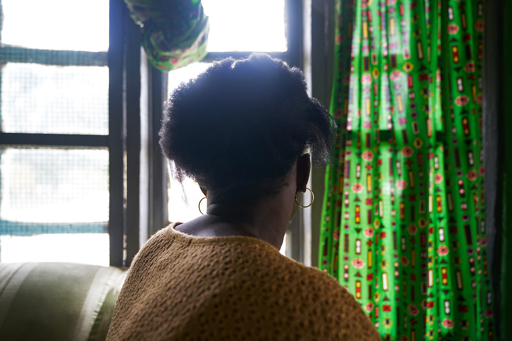
A year after the World Bank approved a plan to redress community grievances over inadequate compensation and sexual harassment at Liberia’s Salala Rubber Corporation, a progress report provides little evidence that any of its key commitments have been implemented. In February, the International Finance Corporation, the private sector arm of the World Bank, published a second report on progress with the action plan. “IFC will continue to engage with key stakeholders over the coming months to explore the feasibility of MAP implementation.” But Windor Smith, from the Liberian civil society organization Alliance for Rural Democracy, which works with affected communities around the Salala plantation, told Mongabay she does not know which stakeholders the IFC is engaging with. “The situation is still the same. There is no engagement, no consultation with the communities and supporting organizations.” Luxembourg-based multinational Socfin took over the rubber plantation in 2007 and received an IFC loan of $10 million to rehabilitate and expand it. Community members started voicing grievances soon thereafter. Dissatisfied with the company’s response, they filed a complaint with the Compliance Advisor Ombudsman, IFC’s independent watchdog, in 2019, alleging sexual harassment, inadequate compensation for their rubber trees and food crops lost and a flawed land acquisition process. Read more about Socfin’s plantations in Africa. Four years later, the CAO completed its investigation, concluding that many of the complaints were valid. The IFC developed an action plan, which it committed to implementing along with Socfin. In contrast to what followed many previous CAO investigations, the…This article was originally published on Mongabay
From Conservation news via This RSS Feed.