

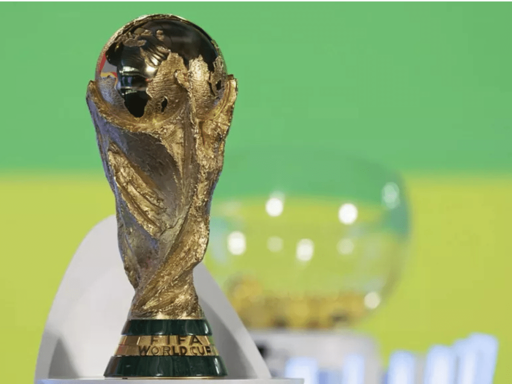

As the biggest edition in World Cup history approaches in 2026, football fans in Tunisia, Algeria, Senegal, Ivory Coast and Cape Verde face unforeseen challenges far removed from the tactics and strategies on the pitch.
New procedures imposed by the US administration through the Visa Bond Pilot Programme could transform the dream of attending the tournament live from the stands into an expensive luxury.
The programme requires each applicant to deposit between $5,000 and $15,000 (£11,200), refundable upon completion of the trip, as a prerequisite for obtaining a B-1/B-2 tourist visa.
In north and west African countries, where average annual incomes are meager compared to these sums, the bill becomes enormous. A family-of-three would need to deposit around $45,000 (£33,600) just as a guarantee in addition to record-breaking ticket prices and the new $250 (£186) visa integrity fee. Plus, pay for expensive hotels which risen in price by 55% in host cities compared to the same period last year.
World Cup tickets – for wealthy fans only?
The challenge isn’t limited to the financial aspect; logistical complexities add further burdens. US consulates have begun to favor single-entry visas over multiple-entry visas, meaning fans will have to redo their visa applications when traveling between the US, Canada and Mexico to support their national teams.
Meanwhile, long waiting lists persist despite FIFA’s launch of the FIFA PASS platform to streamline appointments, turning obtaining a visa before kick-off in June into a race against time.
The reactions were swift, with fan groups in Africa calling for a travel boycott and urging fans to watch the matches on TV, fearing that attending in person would become a heavy financial burden.
Meanwhile, sources close to FIFA confirm that intensive negotiations are underway with the US to exempt national team delegations and fans from the financial guarantee requirement. The concern is that rigid regulations could transform the tournament into an event for wealthy fans only, jeopardising its popularity and global image.
The most pressing question remains: will FIFA’s power and authority succeed in ensuring the authentic “pulse of the stadiums”, which has always given the tournament its distinctive spirit? Or will the 2026 edition become the most financially successful yet least popular World Cup in history?
Featured image via Til Buergy
By Alaa Shamali
From Canary via This RSS Feed.
Are people really this dumb?
