

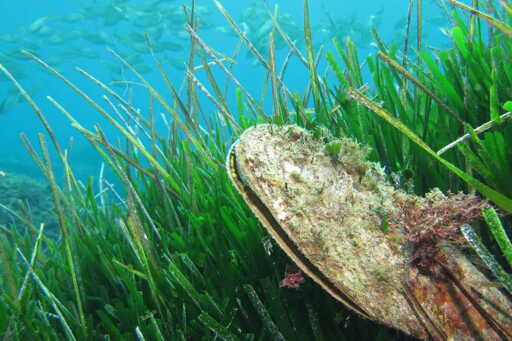
Neptune grass is generally regarded as the most ecologically important seagrass and shallow-water habitat in the Mediterranean Sea. It suffered a severe decline during the 20th century, and there have been myriad efforts to actively restore it via replanting schemes. A new study points to the merits of a different approach: Remove the human-caused drivers of the decline and let the meadows regrow on their own. The study, published March 5 in the journal Marine Environmental Research, found that following the introduction of stronger environmental regulations and practices in France in the mid-to-late 1980s, Neptune grass (Posidonia oceanica) repopulated sampled sections of the waters off the city of Marseille over the ensuing four decades. “We observed exceptional recovering of the meadow in the Bay of Marseille,” Patrick Astruch, a research engineer at GIS Posidonie and the study’s lead author, told Mongabay. GIS Posidonie is a nonprofit marine research group based on the Aix-Marseille University campus. Astruch called it a “very positive trend” and a lesson in the value of passive restoration, which involves letting seagrass meadows regrow naturally after reducing pollution and other threats. Neptune grass in the waters between the French cities of Marseille and Nice, photographed in 2024. The fish in the background are salema porgy (Sarpa salpa), one of the only grazers of Neptune grass. Image courtesy of Thomas Schohn/GIS Posidonie. Patrick Astruch, a research engineer at GIS Posidonie and the lead author of a new study on Neptune grass recovery, conducts research in the Bay of…This article was originally published on Mongabay
From Conservation news via This RSS Feed.