

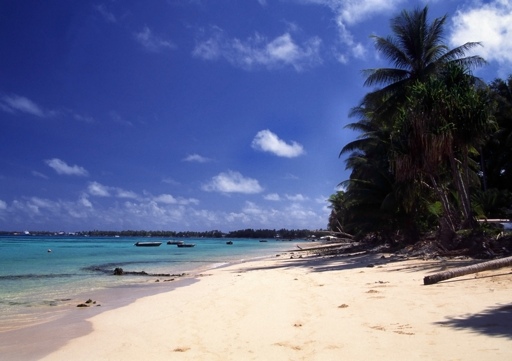
Tuvalu is a remote Polynesian nation made up of three reef islands and six atolls. Home to fewer than 11,000 people, Tuvalu is 1,100 kilometers (680 miles) from its nearest neighbor in Fiji. Yet dispite its isolation and small population, new research shows that the ocean ecosystems around Tuvalu are polluted with microplastics. A team of researchers collected 201 individual fish from 44 species around Funafuti Atoll, the capital of Tuvalu. They removed the gastrointestinal tracts of the fish and tested them for the presence of microplastics — plastic particles smaller than 5 millimeters (0.2 inches). Of the 201 fish sampled, researchers found microplastics in 75 individuals (37.3%). Fish from more developed areas of the world have been found to contain much higher rates of pollution; one study from the U.S. West Coast found 99% of fish were polluted with tiny bits of plastic. These microplastic particles often originate indirectly from the breakdown of plastic debris and directly from personal care products and industrial chemicals. Frequently transported by rivers, once microplastics arrive in oceans, they easily disperse throughout ocean ecosystems and bioaccumulate in food webs. When fish ingest microplastics, the particles accumulate in their gastrointestinal systems where they can cause internal damage to organs and affect reproduction, behavior and metabolism, the study notes. Scientists have found microplastic everywhere they’ve looked, Margaret Spring, chief science and conservation officer of the Monterey Bay Aquarium, not involved with the study, told Mongabay in an email. “From the highest mountains and inland lakes and rivers to the…This article was originally published on Mongabay
From Conservation news via This RSS Feed.
No way bro. Those microplastics came from the rubber gloves of the researchers!
/s
