

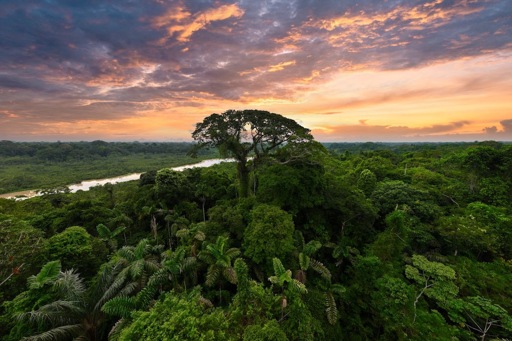
In recent years, we have seen clear signs that the global market for forest and nature-based carbon credits is gaining momentum. More and more companies and governments are turning to forests as part of their climate strategies, and analysts expect this trend to continue as demand grows for solutions that deliver real and verifiable benefits for the climate, nature and people. Recent market assessments show sustained activity in the voluntary carbon market in 2025 and project further growth toward 2026, particularly for high-integrity credits linked to nature and forests. For those of us who live in and protect tropical forests, this is an important moment. As government forest protection programs, known as jurisdictional REDD+, begin to operate on a larger scale, covering entire forest countries or states, more funding will flow through systems that affect our territories, our livelihoods and our future. Whether this expansion strengthens our autonomy and benefits our communities or repeats old patterns of exclusion will depend, above all, on the full participation of our peoples in the process that determines how the benefits and revenues from these transactions are shared. We write as Indigenous, Afro-descendant, and traditional forest harvesting community leaders. From our perspective, how benefits are shared is not a technical detail or a box to check for governments seeking to sell credits, or companies buying them. It is central to ensuring that transactions are fair and that our rights are respected, and central to the very survival of our way of life. Indigenous people like this Kichwa guide in the Ecuadorian Amazon should help point the way on…This article was originally published on Mongabay
From Conservation news via This RSS Feed.