

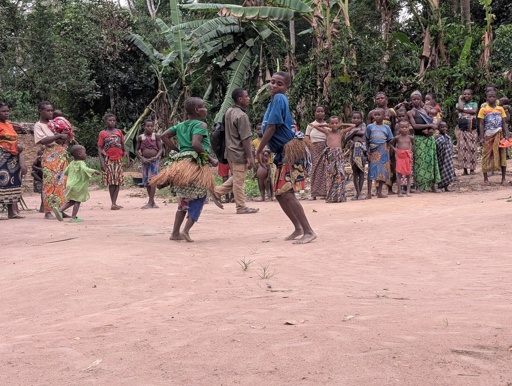
BAYANGA, Central African Republic — Across the Congo Basin, conservation has long been fraught with a difficult contradiction. Protected areas, meant to preserve wildlife, have at times also been the scene of allegations of human rights violations against Indigenous peoples. Over the past decade, Mongabay has documented allegations of beatings, intimidation and other abuses linked to park rangers and conservation operations in countries such as Cameroon, the Republic of the Congo and the Democratic Republic of the Congo. Several conservation actors have been implicated, including organizations such as WWF and African Parks. These organizations have repeatedly denied any wrongdoing, even as audits, investigations and testimonies have kept these concerns at the center of the debate. See Also: WWF’s top leader acknowledges reforms in wake of abuse allegations It is against this backdrop that a quieter, lesser-known story is emerging in the southwest of the Central African Republic. The Bayanga Human Rights Center receives funding from several conservation actors, including the WWF. For the WWF, the center also serves as a mediation mechanism, allowing individuals affected by conservation activities in Dzanga-Sangha National Park to express their concerns and grievances. Image by Rhett A. Butler/Mongabay. In Bayanga, a forest town on the edge of the Dzanga-Sangha Protected Areas (DSPA) complex, a small human rights center has become an unexpected source of trust for the Ba’aka, one of the most widely-known Indigenous forest peoples of the Congo Basin, as well as for the Bilo, non-Indigenous communities living alongside the Ba’aka. The center does…This article was originally published on Mongabay
From Conservation news via This RSS Feed.