

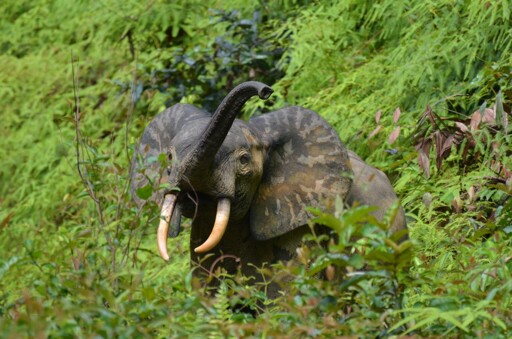
The Congo Basin, often referred to as the “second lungs of Earth,” holds immense potential for leading Central Africa’s green transition. Home to the world’s second-largest tropical rainforest and second-largest reserve of drinkable water (holding 50% of all of Africa’s water resources), the region covers more than 3.7 million square kilometers (nearly 1.5 million square miles), absorbs more carbon dioxide than any other region in the world — with an annual net carbon dioxide absorption six times that of the Amazon Rainforest — and spans six countries (Cameroon, Central African Republic, Democratic Republic of Congo, Republic of Congo, Equatorial Guinea, and Gabon), storing around 30 billion metric tons of carbon. This critical ecological zone harbors immense biodiversity and natural resources, making it a strategic hub for the emerging global bioeconomy. However, learning from the Eastern African experience, realizing this potential requires a shift from extractive industries to sustainable, nature-based economies that prioritize long-term ecological health and local prosperity. Beyond its ecological importance — containing more than 10,000 species of plants, 1,000 species of birds, and 400 species of mammals, including iconic ones like the forest elephant and the critically endangered western lowland gorilla — the region stands at a critical juncture in the global minerals race, holding a significant share of the world’s strategic assets like lithium, cobalt, gold, and rare earth elements — key components shaping global power and the future of the energy transition. Despite this wealth, the Congo Basin’s economic strategies have often relied on the “dig…This article was originally published on Mongabay
From Conservation news via This RSS Feed.