

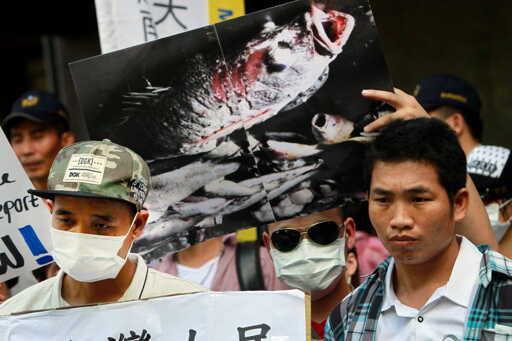
In early 2016, a power failure shut down the waste treatment facility at Hưng Nghiệp Formosa Steel Hà Tĩnh (FSH), located off the coast of Vietnam’s Hà Tĩnh province. The power failure caused the facility to illegally release untreated water — contaminated with phenol, cyanide and iron hydroxide — into the sea. On April 6, 2016, dead fish starting washing up on beaches across four provinces in the North Central region of Vietnam: Hà Tĩnh, Quảng Bình, Quảng Trị and Thừa Thiên Huế. Over the following weeks, at least 100 metric tons of dead fish washed ashore. Untold numbers of people were sickened by eating contaminated fish, and divers from the region were reported to have died in the affected waters. In the aftermath of the disaster, thousands more lost their income as waters were closed, fishing operations were suspended and tourism ground to a halt. The government-approved list of victims consists of 510,000 people in 130,000 households across 730 villages and hamlets. Initially, both FSH and the Vietnamese authorities failed to acknowledge the company’s culpability. Statements from Vietnamese authorities attributed the mass fish deaths to the natural growth of toxic algae blooms. “No (formally registered) NGO inside the country dared to conduct an investigation on site,” said a Hanoi-based independent human rights activist, speaking on condition of anonymity for fear of government retaliation. Only after widespread protests across the country, one of Vietnam’s largest civic mobilizations in recent years, did the government name the company as the culprit behind…This article was originally published on Mongabay
From Conservation news via This RSS Feed.