

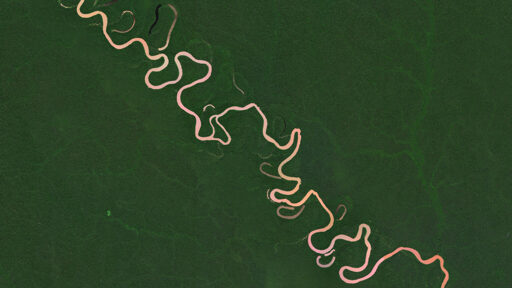
This essay is adapted from the article, “Information as Civic Infrastructure—and How Philanthropy Can Support the Ecosystem,” which was originally published in Nonprofit Quarterly on March 3, 2026. Philanthropy has grown accustomed to funding the “final” solution. It is comfortable buying land, backing new technologies, and underwriting the services or policies that address urgent problems. Yet, it often overlooks the very social foundation those solutions stand on: a shared, reliable information environment. Today, that foundation is cracking. This fragility extends beyond the spread of falsehoods. It appears as indifference to accuracy, fatigue from complexity, and a growing difficulty in judging what deserves attention. In many places, facts still exist, but they travel poorly. They arrive late and out of context, their credibility stripped away before they even reach the public. The result is not always disagreement; more often it is disengagement. For donors concerned with climate change, biodiversity loss, public health, or democratic governance, this crumbling foundation puts even the best-funded programs at risk—a blind spot many donors haven’t yet addressed. Programs may be well designed and generously funded, yet fail to gain traction because the informational terrain beneath them has shifted. Projects that rely on public oversight, regulatory follow-through, or market response depend on the availability of trusted, usable information. Environmental harm offers a clear illustration. Deforestation, overfishing, and illegal mining tend to accelerate where monitoring is weak and scrutiny sporadic. This is not because laws do not exist, but because violations go unrecorded or unnoticed. When documentation does…This article was originally published on Mongabay
From Conservation news via This RSS Feed.