

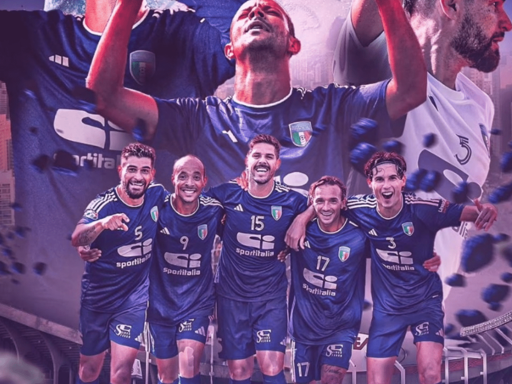

Italy’s exclusion from a third straight World Cup has shifted from a sporting failure to a national plight. Players born after 1990, many now in their prime, have never performed at football’s grandest stage. This absence is undoubtedly reshaping selection, development, and the public’s connection to the Azzurri.
What went wrong on the field
Italy has not participated in the World Cup since 2014. This decade long gap denies emerging skilled performers global exposure and the pressures that define international careers. After the latest elimination, head coach Gennaro Gattuso captured the mood bluntly:
It hurts, it really hurts… More than hurting me, it hurts to see this group which has really given everything in these months.
In another interview, Gattuso added:
Today the boys didn’t deserve a beating like this… It hurts, because we needed it for us, for all of Italy and for our movement.
Those comments aren’t merely the result of post-match emotion. Gattuso’s words reflect the realty of a federation, so far, unable to translate domestic strengths into consistent success on the international stage.
The wider consequences
Missing consecutive World Cups changes more than rosters. The tournament has been Italy’s showcase, the even which transformed Paolo Rossi, Roberto Baggio and Fabio Cannavaro into global football icons. Without that stage, Italian players are less visible to the world, and young fans without the World Cup memories over which past generations bonded.
Former Italy coach Fabio Capello warned of the scale of the problem, calling recent results:
a sporting tragedy, a shame. It’s one of the worst things that has happened to Italian football in its recent history.
Leadership, development, and identity
FIGC president Gabriele Gravina offered measured support while acknowledging the depth of the crisis:
Let me congratulate the lads… they’ve shown incredible growth. I also want to congratulate Rino Gattuso. He’s a great coach.
That tone—encouraging yet defensive—sums up the federation’s position: protect current personnel while promising review.
Veteran Gianluigi Buffon, part of the national delegation, urged patience and careful assessment:
This is a delicate moment, and we need to take the necessary time to make the right evaluations.
Experts point to systemic issues behind the headlines: gaps in youth coaching and scouting, tactical stagnation at senior levels, and Serie A’s declining pull compared with other European leagues. Capello argued for accountability and grassroots rebuild:
No one resigns here, and that’s the most worrying thing […] We have to sit down as experts, analyse what is happening and start a reconstruction from the base.
What comes next
This is not a short-term slump—it’s a multi-year shift that requires structural fixes. If Italy qualifies for the 2030 World Cup, it will be more than a sporting rebound. It will be a reconnection with fans and a chance to rebuild an international identity for a generation starved of World Cup experience.
Until then the Azzurri remain a major footballing nation without its primary stage. The challenge for coaches, clubs and the FIGC is to convert criticism into a clear, long-term plan that rebuilds pathways from youth academies to the national team.
Featured image via the Italian Football Federation
By Faz Ali
From Canary via This RSS Feed.