

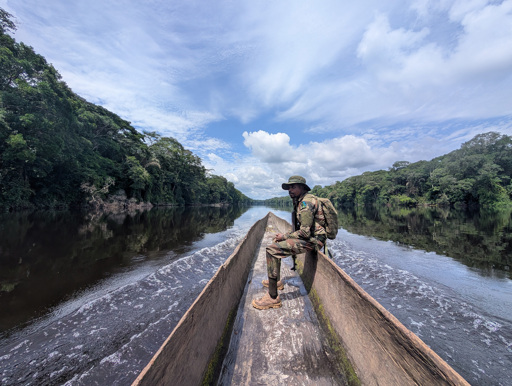
The gunfire began just before six in the morning. At first, Christine Lain thought it might be a drill. Upemba National Park had run exercises like this before. Rangers had trained for the possibility that armed groups might one day come for the headquarters. The park had lived with that risk for years. But the sound did not stop. It intensified. “We immediately realized that the intensity of the firing was so high that it was certainly not a drill,” she later told Mongabay’s Ashoka Mukpo. What followed lasted most of the day. By the end, three rangers and four civilian staff were dead. Survivors had hidden in a crawl space while armed men searched the building below them. Others ran through tall grass under fire, unsure who would make it out. “Everybody got traumatized,” Lain said. “The whole station, everybody.” The attack on Upemba in the Democratic Republic of the Congo (DRC) was unusually large. It was also familiar. Across the world’s protected areas, violence against rangers is no longer rare. “214 of our colleagues have been killed in confrontations with militias intent on poaching and illegal invasions,” Emmanuel de Merode, the director of Virunga National Park in DRC, who was shot twice through the chest in an attack in 2014, told Mongabay last week. In some places it is tied to organized poaching. In others, to insurgencies, land disputes, or politics that extend well beyond park boundaries. The details change. The pattern does not. Rangers are often described…This article was originally published on Mongabay
From Conservation news via This RSS Feed.