

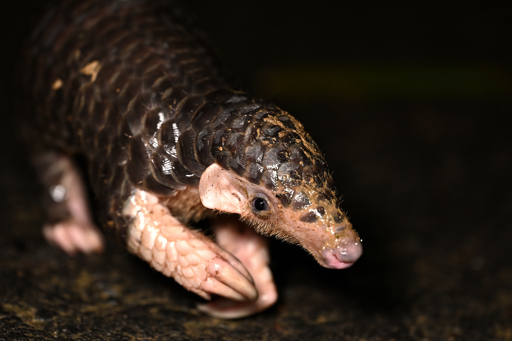
Wildlife trade is decimating the planet’s biodiversity, driving declines in more than 31,500 wild species and spreading infectious zoonotic diseases that jump between wildlife, livestock and humans. In addition to massive legal, regulated trade, there’s widespread illicit trafficking in both live animals and high-demand, profitable animal products, a commerce worth at least $20 billion per year. Dubbed “one of the world’s largest criminal activities,” wildlife ranks among the most lucrative smuggled goods, a list that includes guns, drugs and humans — but with way lower risks. Yet, there’s patchy data on how this trade has grown over the years; what species are trafficked; and where the hotspots are. What we do know comes from law enforcement seizures, which are often just the tip of the iceberg. “Much of what we know about [illegal wildlife trade] is based on static estimates, isolated case studies or regional snapshots, rather than long-term, system-level analyses,” said researcher Tow Jia Hao at the National University of Singapore. “[It] is a difficult picture to piece together and tackle, especially with much of the pieces still being hidden.” To fill the knowledge gaps, Hao and his colleagues analyzed data on illegal wildlife trade from the last two decades (2000 – 2019), and compared it with legal trade data. They gathered seizure data from TRAFFIC’s Wildlife Trade Portal and collected information on permitted wildlife trade from the CITES legal trade database, which records all legitimate commerce in species listed under a global wildlife treaty, CITES. They mapped out…This article was originally published on Mongabay
From Conservation news via This RSS Feed.