

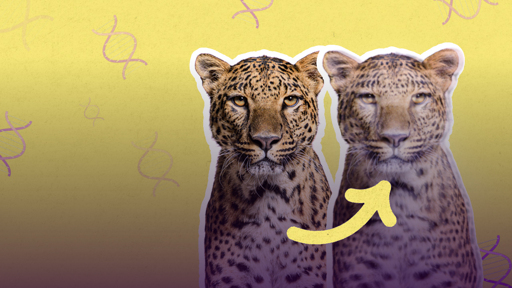
Mato Grosso do Sul, Brazil — What if the first-ever cloned jaguar were born within the next few years? Sounds like something out of a sci-fi movie? Not to the scientists at Reprocon research group, based at the Federal University of Mato Grosso do Sul in Brazil. They are collecting genetic material, like blood and tissue samples, from jaguars alive today, with the goal of cloning the species in the future — and potentially preventing its extinction. As an apex predator, jaguars play a crucial role in regulating the animals below them in the food chain and keeping ecosystems healthy. But massive habitat loss has caused their populations to plummet. In some Brazilian biomes, such as the Caatinga and the Atlantic Forest, fewer than 250 individuals remain. When jaguars are confined to fragmented habitats and small, isolated groups, they often end up mating with close relatives. This inbreeding reduces genetic diversity and can lead to malformations, miscarriages and increased vulnerability to disease and climate change. To counter this, Reprocon researchers are turning to assisted reproductive technologies, including cloning. But as you might expect, this strategy is not without controversy, especially in a world where headlines recently claimed that the dire wolf had been “brought back from extinction” with great fanfare in 2025. In our latest Mongabay Explains, we break down how scientists plan to clone a jaguar — and ask the bigger question: Is cloning truly a viable way to save a species from extinction? Mongabay’s Video Team wants to…This article was originally published on Mongabay
From Conservation news via This RSS Feed.