

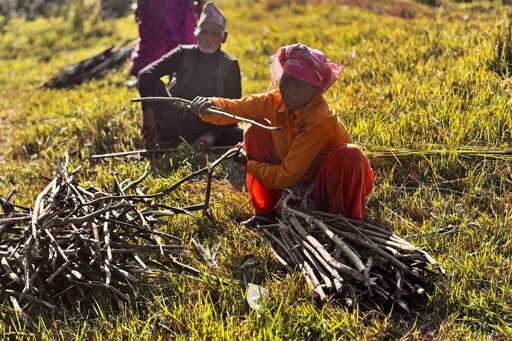
BARDIYA, Nepal — Mewa Lal Pulami, along with other residents from his village on the fringes of Banke National Park in western Nepal, abstained from voting in the recent parliamentary elections held on March 5, 2026. “How can we vote when no one is paying attention to our suffering from wild animals such as tigers?” Pulami said to Mongabay over the phone as the mass abstention made headlines across the country. Nepalis such as Pulami live in the ‘buffer zone’ — a designated ‘protective layer’ for national parks where local people’s collection and use of natural resources are governed by separate laws and regulations. The villagers are demanding an urgent overhaul of the program to address human-wildlife conflict, access to resources, excessive bureaucratic power of park wardens, chronic infrastructure deprivation, and growing economic injustice. When it was rolled out in 1996, the buffer zone program aimed to increase community participation and ownership in conservation of iconic species such as tigers (Panthera tigris) and rhinos (Rhinoceros unicornis) in the plains and snow leopards (Panther uncia) in the mountains. However, 30 years on, the buffer zones, covering 5,602 square kilometers (2,163 square miles) and 1.2 million people, aren’t as popular among some residents in the plains who say it’s time to revisit or even scrap the whole program. Around 380 kilometers (236 miles) east of Bardiya, for 52-year-old Laxmi Dhakal from one of the communities living around Nepal’s oldest national park, Chitwan, the iconic one-horned rhinoceros has become a symbol of suffering.…This article was originally published on Mongabay
From Conservation news via This RSS Feed.