

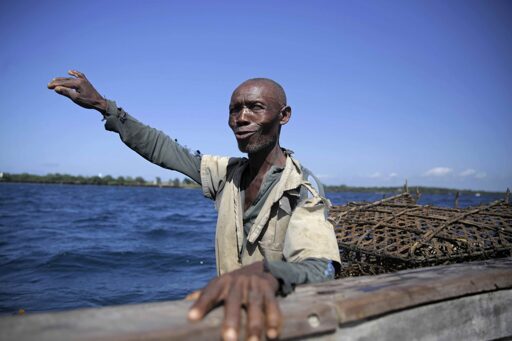
NAIROBI — On Kenya’s eastern coast, a small-scale fisher lugs the day’s catch onto a table for processing and selling. Chances are, mostly threatened species like the scalloped hammerhead shark and the white-spotted guitarfish will appear on the table. This is just one example of a wider trend, conservationists say, of how deeply intertwined the fate of endangered sharks and rays is with fishers making a living in the Western Indian Ocean. In February, to lay out an actionable working plan for shark and ray conservation in Kenya, a group of policymakers, scientists and a community leader published a 19-goal strategy. In it, are over a dozen that directly involve small-scale fishers or try to get them on board to make it a success. The goals include the creation of more locally managed marine areas, the involvement of fishers in conservation decision-making and calls for more effective enforcement of regulations on fishing gear and fishing of endangered species. Since 2023, Kenya has already had a policy on the conservation of sharks and rays — the National Plan of Action for the Conservation and Management of Sharks (NPOA-Sharks). However, the action plan is still awaiting government approval. The strategy proposed by stakeholders proposes a way to implement it. Scalloped hammerhead sharks (Sphyrna lewini), photographed in Yonaguni, Japan. According to a study, the species is frequently caught by small-scale fishers in Kenya. Image by Masayuki Agawa via Ocean Image Bank. A dozen stakeholders, Kenya’s Fisheries Service and the IUCN Species Conservation Planning…This article was originally published on Mongabay
From Conservation news via This RSS Feed.