

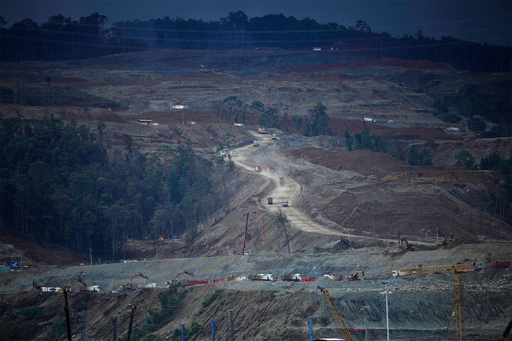
JAKARTA — Environmental activists are sounding the alarm over a new trade agreement between the U.S. and Indonesia that they warn could accelerate mining expansion, fossil fuel dependence and forest loss, while offering only weak, nonbinding environmental safeguards. Critics say the deal risks reshaping Indonesia’s development trajectory by prioritizing resource extraction over ecological protection, shifting environmental and social costs onto vulnerable communities. The agreement was signed on Feb. 19 after months of negotiations triggered by the Trump administration’s “Liberation Day” tariffs, which imposed a 32% levy on Indonesian exports. However, a day after the signing, the U.S. Supreme Court struck down the tariffs, raising questions about the legal and political basis of any deals negotiated in response to a measure that no longer exists. Despite this, the Indonesian government is pushing ahead with the deal. In a March 14 press statement, officials said the Agreement on Reciprocal Trade (ART) would remain the main reference point for bilateral trade ties, describing developments including the Supreme Court ruling as domestic matters for the U.S. “At its core, this is a matter of administrative law in their country, so they must follow that investigation process. But our reference remains the Agreement on Reciprocal Trade, so we will simply proceed,” said Haryo Limanseto, a spokesperson for the Coordinating Ministry for Economic Affairs. The agreement is set to take effect 90 days after all legal processes are completed in both countries. In Indonesia, that includes consultation with the House of Representatives. Framed in part around…This article was originally published on Mongabay
From Conservation news via This RSS Feed.