

On Wednesday, March 25, Iran rejected US proposals to end the war as “extremely maximalist and unreasonable” and reiterated its own conditions for ending the war. It also repeated there were no negotiations happening with the US at the moment.
“Iran will end the war when it decides to do so and when its own conditions are met,” one Iranian official told Press TV on Wednesday, reacting to the proposals presented by United States President Donald Trump, through an intermediary.
Trump’s 15-point proposals, as reported in the media, included most of the points which had already been rejected by Iran previously, such as a temporary ceasefire, the dismantling of Iran’s nuclear project, and the opening of the Strait of Hormuz.
The US also demanded restrictions on Iran’s regional policies and its missile defense system, offering to lift sanctions in return.
The proposal was presented to Iran through Pakistan, with Turkey and Egypt also pushing for the talks.
Iran, however, called Trump’s proposals “extremely maximalist and unreasonable” and reiterated its own counter proposal with five basic conditions, including:
- The complete end of all kinds of aggression against the country,
- Guarantees that attacks on the country will not be repeated in the future,
- Proper compensation for all damages caused by US-Israeli wars,
- An end to the war against resistance fronts across the region, such as in Lebanon and Iraq, and,
- Recognition of Iranian sovereignty over the Strait of Hormuz.
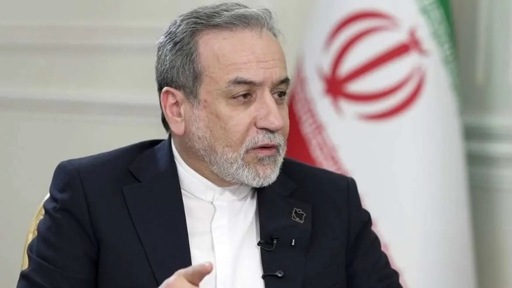
“A ceasefire without guarantees is a vicious cycle that only leads to the repetition of war,” Iranian Foreign Minister Abbas Araghchi said in a late night TV interview on Wednesday.
Countries in the region should distance themselves from the war
Iran also reiterated its demand of the dismantling of all US military bases in the region.
Claiming that the US-Israeli war on Iran has “revealed many truths, one of them being that US bases not only failed to provide security to the host countries, but, in fact, became a source of insecurity for them,” Araghchi said, asking countries in the region to distance themselves from the war.
Several countries in the region have condemned Iranian retaliations on US military bases inside their territories, calling it aggression on their sovereignty, some even threatening to retaliate.
Under their pressure, the UN Security Council adopted a resolution earlier this month condemning the Iranian attacks on Persian Gulf monarchies, without mentioning the US-Israeli aggression on Iran.
Iran has claimed the military bases and air space of these countries have been used by the US and Israel to launch attacks inside its territory and its retaliations are justified under its right to defend itself.
“If these countries are being struck, it is because of the presence of those bases,” Araghchi reiterated on Wednesday, expressing doubts about the claims made by some governments of being unaware about the use of their territories by the US.
“We cannot believe that this [use of their territories by the US and Israel] occurred without those countries being aware of it,” he underlined.
Iran believes in freedom of navigation
Iran, on Wednesday, assured the International Maritime Organization (IMO) that it has never shied away from complying with its international obligations and it believes in freedom of navigation and maritime security.
Iranian ambassador to the UK and its permanent representative to the IMO, Ali Mousavi claimed that “the current insecure situation in the Persian Gulf, Strait of Hormuz, and the sea of Oman is a direct result of the military aggression waged by the US and Zionist regime against Iran, Mehr News reported.
Read more: US-Israeli attacks on Iran’s civilian sites intensify as war reaches one-month mark
Iran has prevented the US and its “allies” from transporting oil and other commodities through the Strait of Hormuz since early March, threatening attacks if their ships tried to cross it. It has started charging a transit fee in return for safe passage through the strait as well.
The US and some countries in the region have objected to the Iranian move. The Trump administration has tried to assemble a global coalition to keep the strait open by force, however, without much success.
Iran has maintained that its actions in the Strait of Hormuz are part of its efforts to defend the country from aggression.
The post Iran reiterates its conditions for ending the war appeared first on Peoples Dispatch.
From Peoples Dispatch via This RSS Feed.